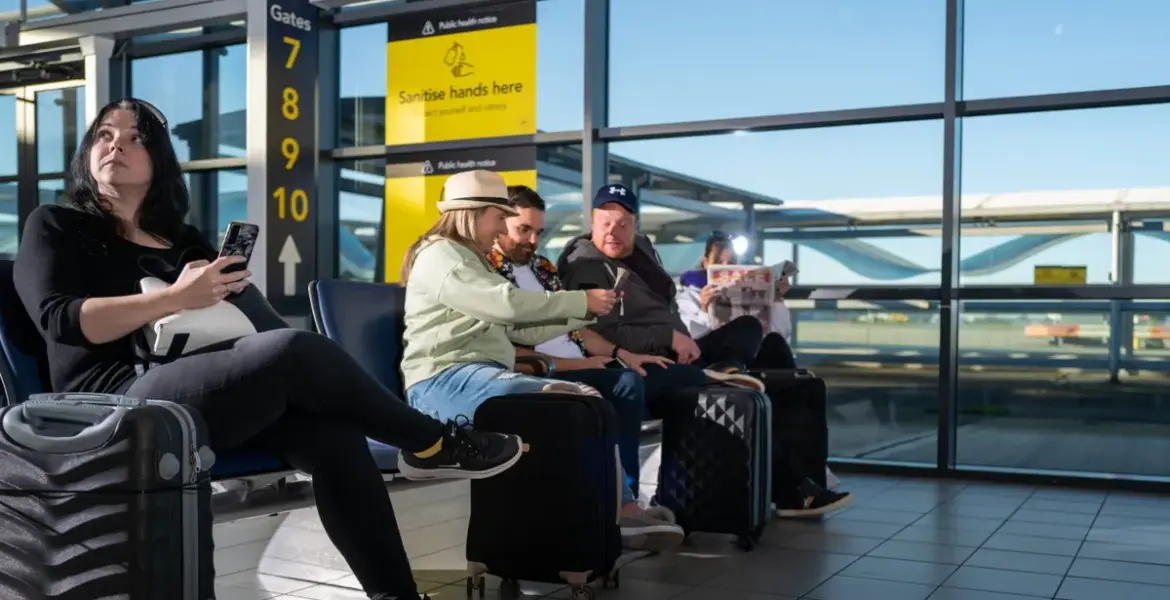
It was a typical spring morning at London Southend Airport—passengers bustling, bags rolling, and excitement buzzing for the trip to Málaga. Everyone expected a smooth take-off, just like any other day. But then came the announcement.
Five passengers were asked to leave an EasyJet flight bound for Málaga Airport. The aircraft was too heavy. The decision wasn’t taken lightly; it was driven by safety regulations. The weight of the plane had become a critical factor—one that would determine whether it could even leave the ground.
The flight, EJU7008, faced challenges not just from its load but also from the weather. Wind conditions were unfavorable—50° off the runway heading, providing almost no useful headwind. It was a perfect storm of circumstances that led to this moment.
“Saving almost 600kg in weight might not sound much,” said aviation expert Jeremy Spake, “but it can be the difference in getting off the runway without issue.” And that’s precisely what was at stake here.
Southend Airport’s runway measures only 1,856 meters (6,089 feet). For some airlines and aircraft, that’s tight. On this day, it meant that even slight deviations in wind direction could lead to significant operational challenges.
Guy Gratton, another expert in aviation safety, noted how vital it is to manage weight effectively. “The wind would indeed cause problems,” he explained. “The only viable solution was to reduce weight.” It’s a stark reminder of how small airports often face unique hurdles compared to their larger counterparts.
This isn’t the first time such an incident has occurred at Southend Airport; similar situations have arisen before—most notably on the same Málaga route back in 2014. This pattern raises questions about operational protocols and passenger experiences.
As climate change continues to impact weather patterns, experts warn that these types of weight-related issues may become more frequent at airports with shorter runways. Airlines typically use standardized average weights for passengers—84 kilograms including luggage—but variability can throw plans into disarray.
For those five passengers who were denied boarding, compensation of 350 pounds awaits them—hardly a consolation for missed vacations or business trips. Yet their plight underscores a broader issue facing air travel today.
Details remain unconfirmed regarding future operational changes at London Southend Airport as they navigate these challenges. But one thing is clear: managing flight weights will remain a critical focus for airlines operating in tighter spaces like this one.
You may also like