Introduction
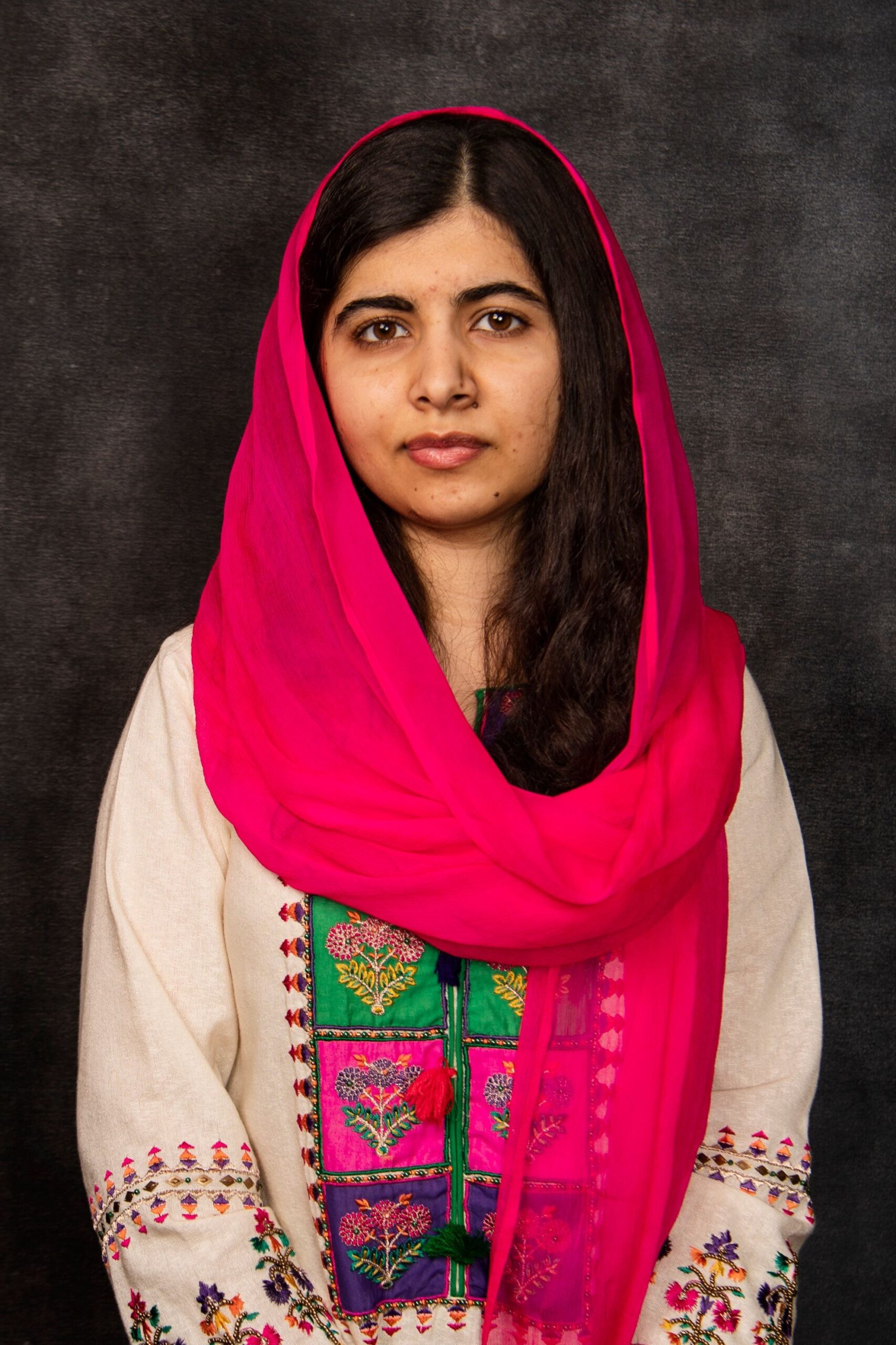
Malala Yousafzai, the youngest Nobel Prize laureate, has become a global symbol of the fight for education, especially for girls in regions where educational access is restricted. Her advocacy not only raises awareness about the importance of education but also highlights the ongoing struggles faced by many around the world. As conversations surrounding education equity intensify, Malala’s work remains crucial and relevant.
Early Life and Advocacy
Born in the Swat Valley of Pakistan, Malala began advocating for girls’ education at a young age, influenced by her father, who ran a school. Her activism gained international attention after she was shot by the Taliban in 2012 for speaking out against the ban on girls attending school. After surviving the attack, she continued her fight for education rights on a global stage.
Achievements and Global Impact
Malala co-founded the Malala Fund, an organisation dedicated to ensuring 12 years of free, quality education for every girl. Her efforts have led to significant improvements in educational policies in several countries, inspiring young activists around the globe. In 2014, she was awarded the Nobel Peace Prize, making her the youngest recipient in history, which further elevated her profile as a leading voice for education.
Recent initiatives by Malala Fund include supporting girls’ education in Afghanistan following the Talban takeover, where the right to education is severely threatened. In October 2021, the Fund launched a £5 million initiative to assist educational projects for displaced Afghan girls, drawing widespread support from international communities.
The Role of Malala Today
As we approach the 10th anniversary of her attack, Malala continues to speak on various platforms, addressing global leaders about their responsibility to ensure education for all children. With a focus expanding beyond just education, her advocacy now touches on broader human rights issues, demonstrating the interconnectedness of various struggles for justice.
Conclusion
Malala Yousafzai’s evolution from a local activist to a global icon illustrates the power of one voice to spark change. Her relentless pursuit of education rights and advocacy for women’s empowerment continues to inspire millions, making her a pivotal figure in the ongoing battle for equality. As we move forward, her influence is likely to grow, reminding us all of the importance of access to education and the necessity of fighting for those who cannot advocate for themselves.
You may also like