The United Arab Emirates has made waves in the energy market by announcing its exit from OPEC, effective Friday, April 28, 2026. This decision not only challenges the stability of the oil cartel but also appears to be a political win for Donald Trump, especially with global oil prices on the rise.
Founded in 1960, OPEC has long been a cornerstone of global oil production and pricing. The UAE joined this influential group in 1967, remaining a member even after its formation as a nation in 1971. However, recent geopolitical tensions—particularly threats from Iran—have pushed the UAE to reconsider its position.
On April 25, just days before the formal exit, UAE officials expressed frustration over the lack of support from fellow Arab states in countering Iranian attacks. Anwar Gargash, a prominent Emirati diplomat, pointed out that while Gulf Cooperation Council countries have offered logistical support, their political and military backing has historically been weak.
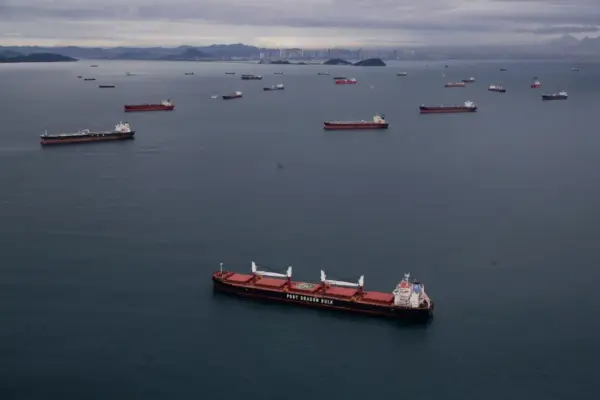
The situation escalated as Iranian threats have made it increasingly difficult for Gulf producers to ship their crude oil exports through the critical Strait of Hormuz—a passage that carries about a fifth of the world’s crude and liquefied natural gas. As tensions grew, so did oil prices; Brent crude recently peaked at $119.50 a barrel since the onset of the Iran war.
Trump’s criticism of OPEC has also intensified. He has accused the organization of inflating oil prices at a time when consumers are feeling the pinch globally. The UAE’s departure from OPEC may embolden other nations within the cartel to reassess their commitments as well.
Key facts about this development:
- The UAE’s departure represents a significant shift for OPEC.
- The Brent crude oil price has increased by 3.4% recently.
- Iranian threats have complicated shipping routes through the Strait of Hormuz.
- Gargash noted unexpected weaknesses in political support among Gulf nations.
As this situation unfolds, it raises questions about how OPEC will adapt without one of its more dynamic members. The implications stretch beyond just oil prices—they touch upon regional stability and international relations as well. The coming weeks will reveal how this shake-up impacts not only the energy market but also global politics.
You may also like