Introduction
Paddington Station, located in the heart of London, is not only one of the capital’s busiest transport hubs but also a significant landmark known for its historical and architectural importance. Opened in 1854, it has been a pivotal point for travellers connecting to various destinations across the capital and beyond. The continued relevance of Paddington Station is evident through its ongoing modernization efforts and the high volume of passengers it serves daily, making it crucial for London’s transport network.
Historical Significance
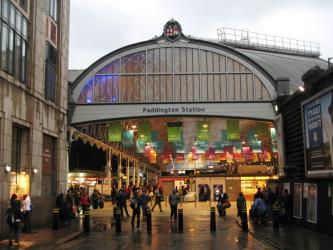
The station was designed by the renowned engineer Isambard Kingdom Brunel, and its iconic roof, spanning over 800 feet, is an impressive feat of Victorian engineering. Paddington Station has welcomed an array of historical moments, from royal visits to its role in wartime operations. Today, the station stands as a testament to the innovation of the 19th century while being adapted for the needs of modern travellers.
Recent Developments
In recent years, Paddington Station has undergone extensive refurbishments to enhance passenger experience. Improvements include upgraded facilities, better accessibility options for disabled travellers, and advanced technology in ticketing and information systems. The addition of the Elizabeth Line, which officially opened in May 2022, further improves connectivity and has opened up new routes to the capital’s suburbs and surrounding areas, making it even more significant in London’s transport landscape.
Current Role in Transport
As a major terminal for Great Western Railway services, Paddington connects London with key cities in the west, including Birmingham, Bristol, and Cardiff. Furthermore, its proximity to various London Underground lines makes it a critical interchange for commuters. Recent statistics show that Paddington handles approximately 24 million passengers each year, highlighting its position as one of the busiest stations in the UK.
Conclusion
Paddington Station continues to be an integral part of the transportation infrastructure in London, reflecting both the historical legacy and modern advancements of the city. Its blend of architectural beauty and functional design ensures that it remains relevant in an ever-evolving urban landscape. Looking ahead, further enhancements are expected as London aims to improve efficiency and passenger experience at this iconic station. As tourism and daily commuting increase in London, Paddington Station’s role is anticipated to grow even more significant.
You may also like