Introduction
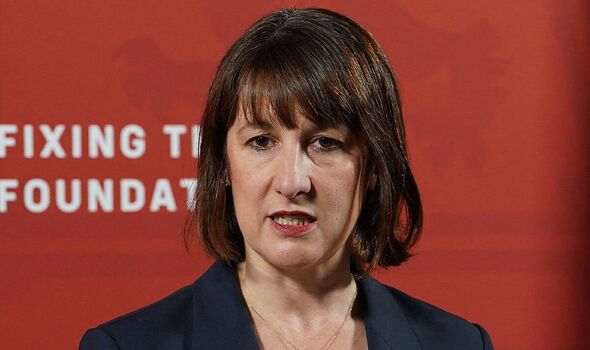
The topic of capital gains tax has surged to the forefront of political discourse in the UK, especially following recent comments made by Shadow Chancellor Rachel Reeves. With rising costs of living and increasing inequality, Reeves’ proposals aim to address these issues through a reformed capital gains tax structure. Understanding these changes is crucial for taxpayers, investors, and economists alike as they could significantly impact financial planning and investment decisions.
Insights on the Proposals
During a recent speech at a policy conference, Rachel Reeves outlined a plan to adjust the capital gains tax system, which is often seen as disproportionately benefiting wealthier individuals. Current capital gains tax rates sit at 10% for basic rate taxpayers and 20% for higher rate taxpayers, which has led to criticism that they are significantly lower than income tax rates. Reeves suggested that aligning capital gains tax rates with income tax rates could ensure a fairer contribution from those who benefit from wealth accumulation.
Reeves argued that this change would not only generate additional revenue for public services but also help in rebalancing the tax burden in a country facing economic challenges. She emphasized the importance of ensuring that the tax system is equitable and that all citizens contribute their fair share towards national finances.
Reactions from Stakeholders
The proposals have been met with mixed reactions. Advocates for tax reform have welcomed Reeves’ intentions, seeing the move as a necessary step towards reducing wealth inequality in the UK. Experts argue that the current disparities in tax treatment of capital gains versus earned income can exacerbate economic inequalities.
Conversely, critics, including some business leaders, express concern that raising capital gains taxes could deter investment and slow down economic recovery. They argue that the existing capital gains tax structure encourages risk-taking and investment in start-ups and emerging businesses essential for innovation.
Conclusion
As discussions regarding capital gains tax reform continue, Rachel Reeves’ proposals have sparked a vital debate on wealth distribution and economic equity in the UK. The implications of any changes could resonate throughout the economy, affecting taxpayers’ financial strategies and the overall investment landscape. Looking ahead, the Labour Party’s direction on this issue could significantly affect economic policy in the upcoming elections, as many voters are likely to consider tax reforms’ impacts on their financial well-being. Engaging with this issue is essential for citizens who wish to stay informed about potential changes that might affect their finances.
You may also like