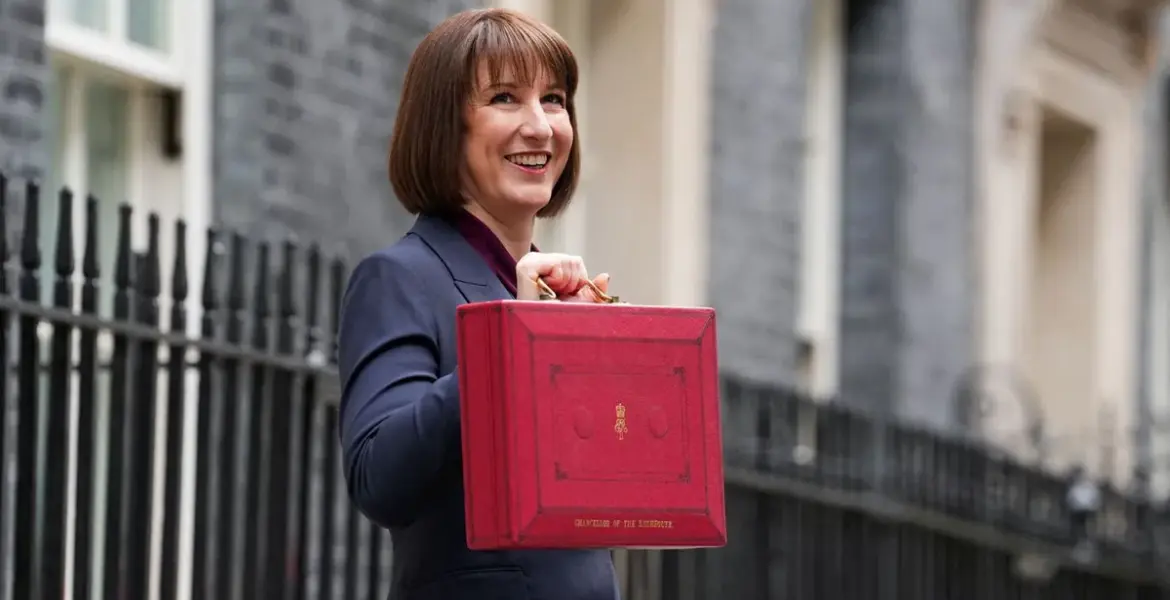
Rachel Reeves has confirmed significant tax changes that will affect millions in the UK, including a new charge for certain cars and increased taxes on savings and rental income starting April 6, 2027.
The countdown is on. These changes signal a shift in how financial responsibilities are structured across the nation. The government aims to increase revenue while addressing environmental concerns through updated Vehicle Excise Duty (VED) rates. But for many taxpayers, this means adjusting to a higher-tax environment.
Key changes include:
- The cash Isa limit will drop from £20,000 to £12,000 for individuals under 65.
- Income tax rates on savings and rental income will rise by 2 percentage points.
- Basic-rate taxpayers will now pay 22% on interest or property income.
- Higher-rate taxpayers will face a 42% rate, while additional-rate taxpayers will pay 47%.
- The threshold for Making Tax Digital will decrease from £50,000 to £30,000.
The implications are clear. Landlords are already reassessing their positions—many might reconsider their investments or even sell properties to avoid the increased taxation. Jason Hollands of Evelyn Partners noted that “In a higher-tax environment, how you structure your savings will become even more important than it is now.”
On the vehicle side, motorists should brace for new charges under the revised VED framework. A significant charge of £410 will apply to certain cars starting in April 2026. Meanwhile, petrol and diesel vehicles with CO2 emissions over 255g/km registered after April 1, 2026, will incur costs as steep as £5,690. Electric vehicles seem to get a slight reprieve—only an additional £10 on top of the standard rate of VED.
Additional vehicle regulations include:
- Cars with CO2 emissions below 100g/km will pay just £20 annually for VED.
- Classic cars built before January 1, 1986, won’t pay VED but must still be taxed.
- The standard rate of VED for cars, vans, and motorcycles increased from £195 to £200 in April 2026.
As Kenneth Rowson pointed out regarding VED: “It has nothing to do with road tax and is just another tax imposed on motorists which goes into the general tax pot.” This sentiment reflects a growing frustration among drivers who feel squeezed by rising costs.
The government’s strategy is clear—raise funds while pushing towards greener alternatives. However, how these adjustments play out in real life remains uncertain as officials work through implementation details. The next ruling is expected on May 12 in Lisbon; clarity around these tax reforms may emerge soon after.
You may also like