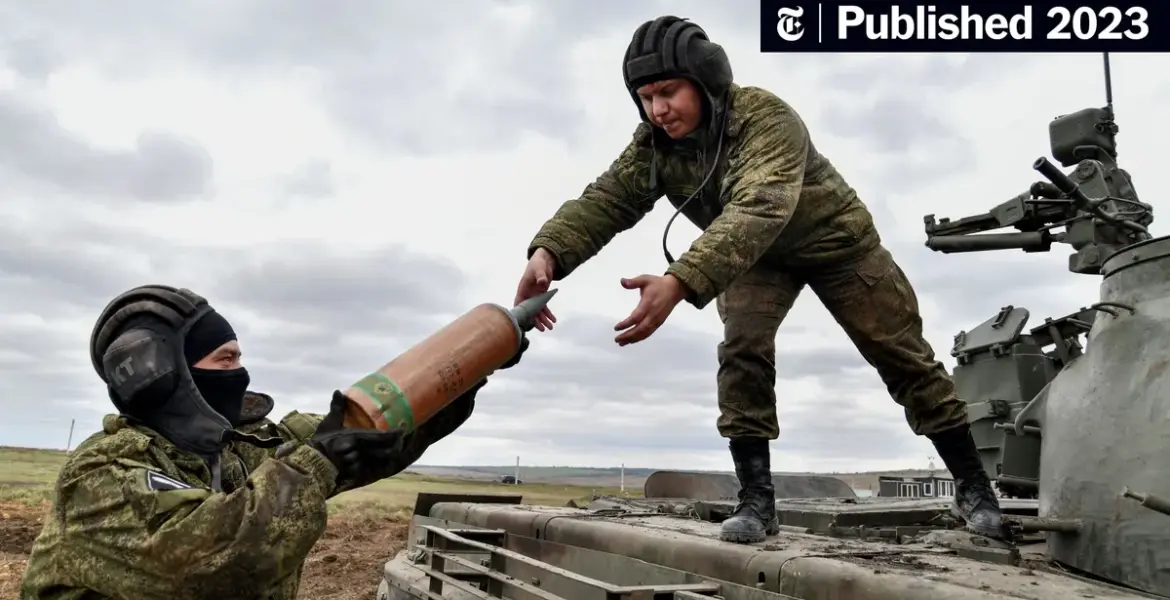
What’s changing on the battlefield in Ukraine? Russian tactics have evolved, shifting towards small team infiltrations that are reshaping military dynamics. Since April 29, 2026, these methods have become more pronounced, with soldiers operating in groups of one or two rather than large formations.
These changes stem from a need for adaptability. The 10th Mountain Assault Brigade has held its ground near Sloviansk for over three years, while other Ukrainian brigades have moved. Dmytro Lifecell noted, “Russia’s objective here is like their aim to take Kyiv in three days (in 2022).” Yet now it’s ten people a day going on the assault; the number of personnel has decreased significantly.
Ukrainian forces are feeling the pressure. With increased Russian drone activity—95% of Russian casualties reported to be caused by drones—Ukrainian artillery units are deploying self-propelled howitzers to counteract these movements. This is a tactical arms race, where adaptation is crucial.
As Andrii Zhuk put it, “Their motivation is just to stay alive a few more hours, that’s it.” The psychological toll on both sides is profound. Meanwhile, Pavlo Bakhmut fights not just for territory but for his home: “I’m here fighting because I don’t want to give it (Donbas) up.”
Key statistics:
- Ukrainian forces have killed or wounded as many as 35,000 Russian troops every month since the start of 2023.
- 95% of Russian casualties are reported to be caused by drones.
- The new Backfire drone targets deep within enemy territory under challenging conditions.
This evolving battlefield landscape raises questions. How will Ukrainian fortifications adapt? Will Russian tactics continue to shift? As both sides adjust strategies amid relentless conflict, the stakes remain high.
You may also like