What does it mean for a nation to extend a hand of aid in the midst of conflict? South Korea has recently answered this question by pledging $500,000 in humanitarian assistance to Iran, a country grappling with the devastating impacts of war. This decision comes as the conflict between Iran and the United States, alongside Israel, has escalated, resulting in over 3,300 deaths and displacing approximately 3.2 million people within Iran.
The aid, which will be routed through the International Committee of the Red Cross, aims to alleviate the humanitarian crisis that has emerged from the ongoing hostilities. A spokesperson from the South Korean Foreign Ministry expressed hope that this aid would help improve the dire humanitarian situation in the affected regions, underscoring the importance of compassion in times of crisis.
South Korea’s decision to provide aid is not an isolated act; it reflects a broader commitment to universal human rights and peace. Lee Jae Myung, the President of South Korea, has been vocal about the need for courageous steps toward peace, emphasizing that the sovereignty of each nation and universal human rights must be respected. His statement resonates deeply in a world where aggressive war often overshadows the plight of innocent civilians caught in the crossfire.
The backdrop of this humanitarian effort is a complex and troubling conflict that began on February 28, 2026, with a ceasefire established only recently on April 8, 2026. The ongoing violence has not only resulted in tragic loss of life but has also severely disrupted the lives of millions, leaving them vulnerable and in desperate need of assistance.
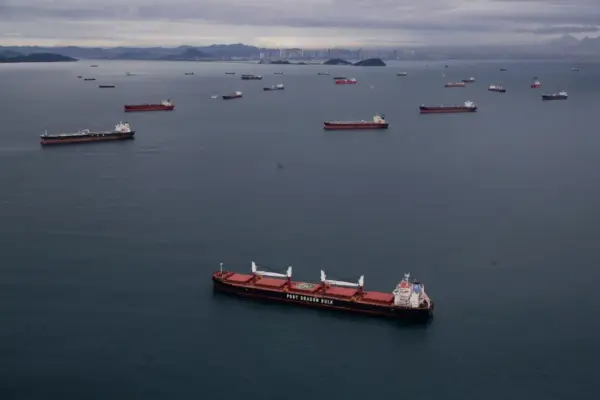
South Korea’s involvement in humanitarian aid extends beyond Iran. Earlier this year, the nation sent $2 million in aid to Lebanon in response to Israeli attacks, demonstrating a consistent approach to addressing humanitarian needs in the region. However, this commitment to aid comes at a time when South Korea is facing its own challenges, particularly concerning energy security. Approximately 70 percent of South Korea’s imported crude oil passes through the Strait of Hormuz, a vital shipping lane that has been threatened by the ongoing conflict.
Lee Jae Myung has acknowledged these energy security concerns, stating that difficulties in global energy and raw materials supply chains, along with high oil prices, are likely to persist. He has called for urgent action to diversify supply routes and accelerate industrial restructuring, recognizing that the implications of the conflict extend far beyond humanitarian concerns and into the economic stability of nations reliant on these resources.
As South Korea navigates its role on the international stage, the balance between humanitarian aid and national interests remains delicate. The government has allocated an extra budget of 17.7 billion to cushion the economic impact of the Mideast conflict, reflecting the urgency of the situation. Yet, the question remains: How will South Korea continue to balance its humanitarian efforts with the pressing need for energy security?
While the immediate future holds some uncertainties, one thing is clear: South Korea’s commitment to humanitarian aid amid conflict is a testament to its values and principles. As the situation evolves, the world watches closely, hoping for a resolution that prioritizes peace and the well-being of those affected by the turmoil.
You may also like