
Introduction to Chikungunya Chikungunya is a viral disease transmitted to humans through the bite of infected mosquitoes, primarily Aedes aegypti and Aedes albopictus. Since its emergence in the 1950s, it has posed significant public health concerns across tropical and subtropical regions. Recently, cases have surged, drawing attention to its resurgence and the importance of monitoring

Introduction to West Nile Virus The West Nile Virus (WNV) is a mosquito-borne virus that can cause severe neurological disease. First identified in Uganda in 1937, it has since spread across many parts of the globe, including North America, Europe, and Asia. With recent reports of increased infection rates in several regions, understanding the risks

The Importance of Polio Awareness Polio, a viral disease that can cause paralysis and is primarily affecting children under five, remains a significant concern worldwide. Despite the tremendous progress made over the last few decades in eradicating this debilitating disease, it has not yet been completely eliminated, making awareness and ongoing vaccination efforts more crucial

Introduction Rabies is a viral disease that poses a significant threat to public health around the world. This viral infection primarily affects mammals, including humans, and is most commonly transmitted through the bite of an infected animal. With rabies being responsible for over 59,000 deaths annually, it highlights the need for awareness, prevention, and control

Introduction The rabies vaccine plays a crucial role in preventing a deadly disease that affects thousands of people each year. Rabies, caused by a virus generally transmitted through the bite of an infected animal, has a near 100% fatality rate once clinical symptoms appear. The significance of vaccination in both animals and humans cannot be
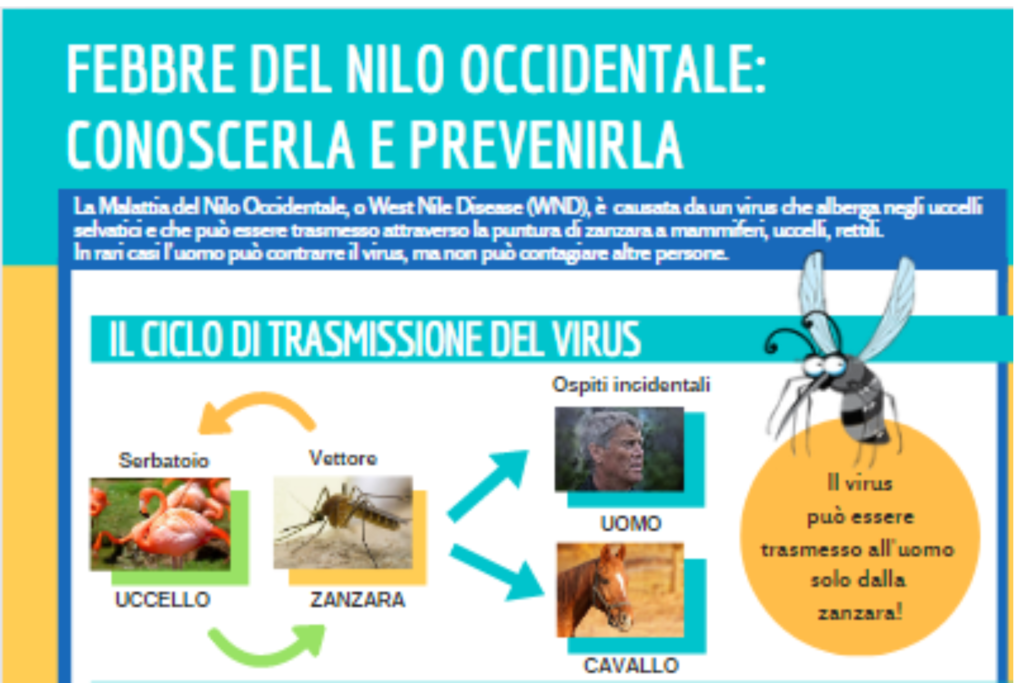
Introduzione alla Febbre del Nilo La febbre del Nilo occidentale è una malattia virale trasmessa da zanzare che rappresenta un crescente rischio per la salute pubblica. Con il cambiamento climatico e l’aumento delle temperature, la proliferazione delle zanzare e la diffusione del virus stanno diventando preoccupazioni significative per molti paesi. Comprendere questa malattia è vitale

Understanding the Marburg Virus The Marburg virus, first identified in 1967, is a highly infectious pathogen belonging to the same family as the Ebola virus. It can lead to severe viral haemorrhagic fever, with a mortality rate that can reach up to 90% in some outbreaks. Recent reports indicate an alarming resurgence of the Marburg

Introduction The Marburg virus, a highly virulent pathogen related to the Ebola virus, continues to pose serious public health risks worldwide. Recent outbreaks have sparked renewed attention among health officials, making it essential for the global community to remain vigilant as the virus spreads in certain regions. Understanding its transmission, symptoms, and control measures is
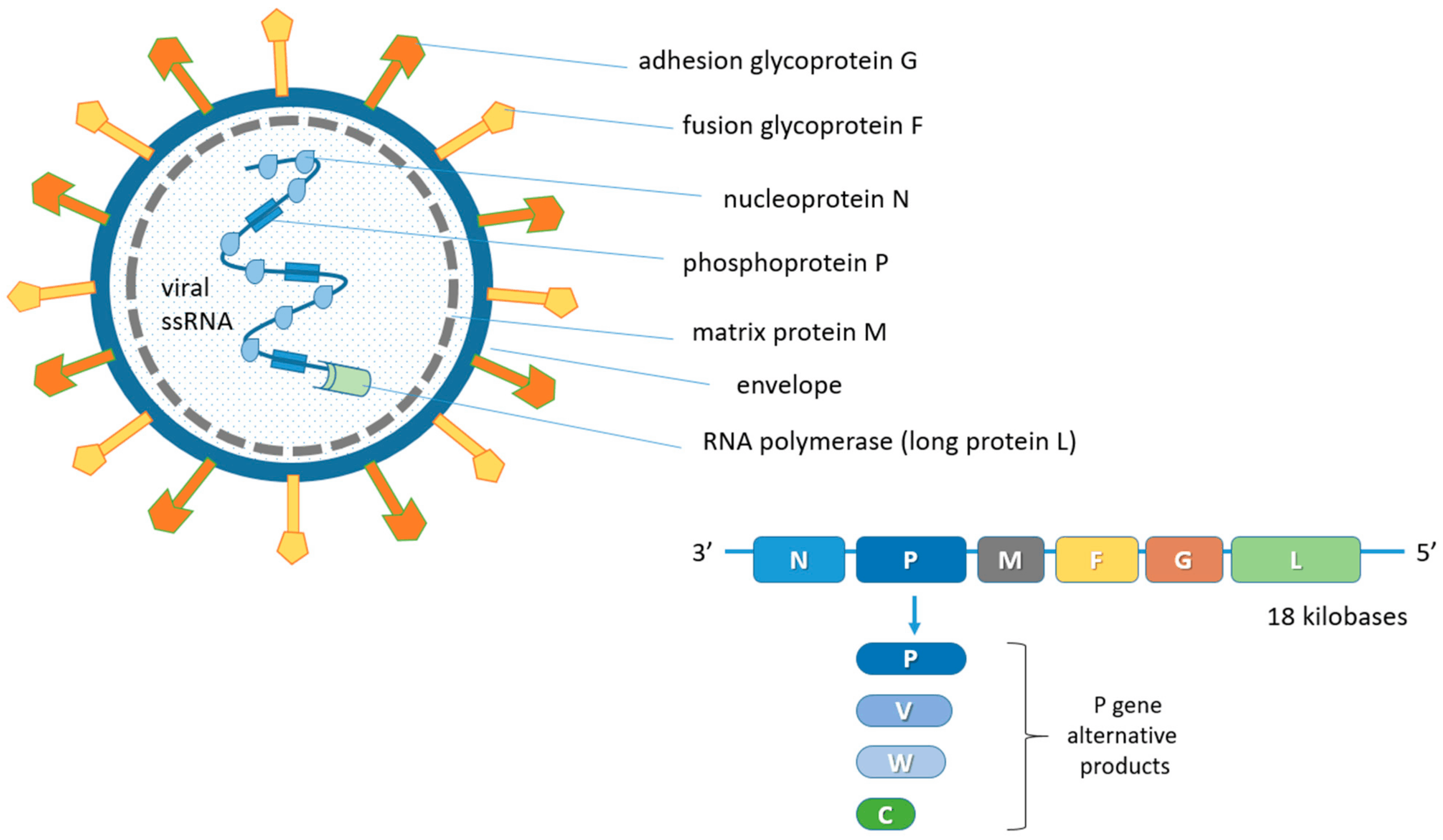
Introduction The Nipah virus, identified in 1999, is a zoonotic pathogen that poses significant public health challenges. With its recent resurgence in parts of South Asia, understanding its transmission, symptoms, and prevention is crucial for safeguarding communities against potential outbreaks. Given the ongoing threats posed by emerging infectious diseases, the Nipah virus serves as an
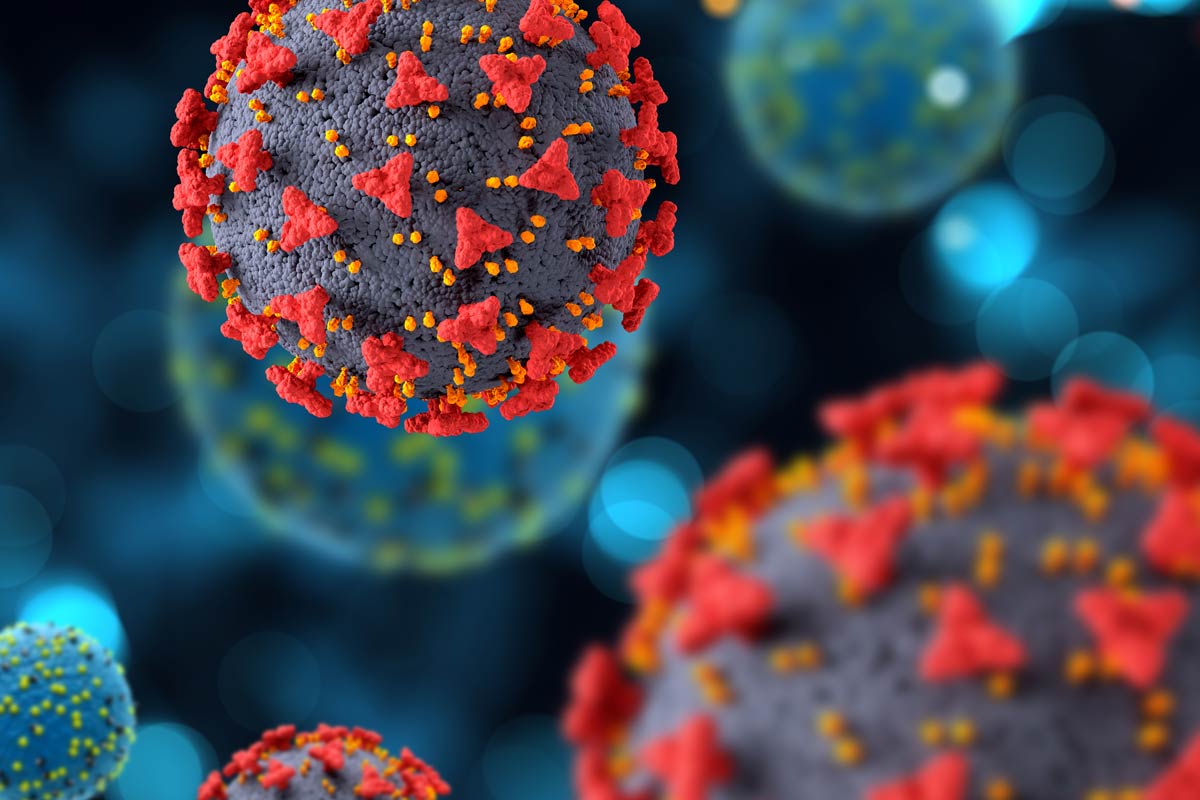
Introduction The emergence of new COVID-19 variants remains a crucial issue for public health globally, with the recent identification of the strain named Stratus causing heightened concerns. Recognising the potential threat posed by this strain is essential as countries continue to navigate the ongoing pandemic. Stratus, like its predecessors, poses challenges for healthcare systems and