The Importance of Polio Awareness
Polio, a viral disease that can cause paralysis and is primarily affecting children under five, remains a significant concern worldwide. Despite the tremendous progress made over the last few decades in eradicating this debilitating disease, it has not yet been completely eliminated, making awareness and ongoing vaccination efforts more crucial than ever.
Current Polio Outbreaks
As of October 2023, the World Health Organization (WHO) reported polio outbreaks in several countries, including Afghanistan, Pakistan, and parts of Africa. These occurrences are particularly alarming due to the potential for rapid spread in unvaccinated communities. Recent reports indicate that the number of polio cases has been rising in some regions, attributed largely to vaccine hesitancy and disruptions caused by conflicts and the COVID-19 pandemic.
Historical Context
Polio has a long history, with epidemics occurring in the early 20th century, sparking fear and leading to significant public health campaigns. The introduction of the oral polio vaccine (OPV) in the 1960s by Albert Sabin and the inactivated polio vaccine (IPV) by Jonas Salk revolutionised the fight against the disease. The Global Polio Eradication Initiative (GPEI), launched in 1988, aimed to eradicate polio worldwide; however, challenges remain, particularly in conflict-affected areas.
Vaccination Efforts and Challenges
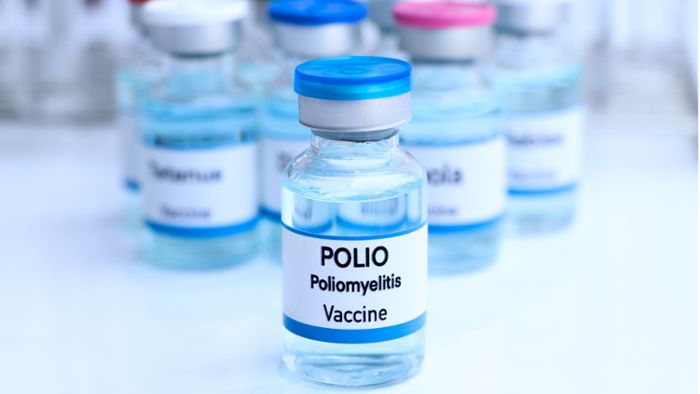
Vaccination remains the most effective tool against polio. WHO and UNICEF’s vaccination campaigns have reached millions of children globally. However, misinformation surrounding vaccines, fears concerning safety, and logistical challenges in delivering vaccines to hard-to-reach areas contribute to the stagnation of eradication efforts. For instance, the recent resurgence in certain regions highlights the need for renewed commitment to immunisation and health education.
Conclusion: The Path Forward
Eradicating polio is a global health priority that requires collaboration among governments, health organisations, and communities. Continuous support for vaccination initiatives, alongside addressing misinformation, is imperative. With collective action, there is hope to completely eradicate polio, ensuring that future generations live free of this disease. Observers expect that, if current approaches are adapted and enhanced to include community engagement, polio could become a thing of the past within the coming decade.
Related posts: