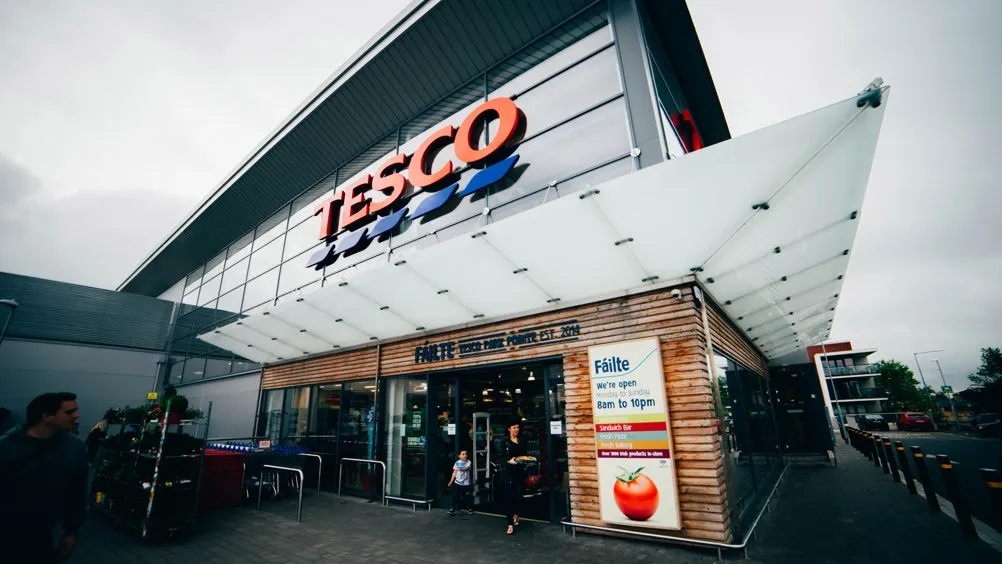
On May 1, 2026, the Tesco equal pay tribunal is set to begin in Reading, UK, a case that could change the landscape of equal pay across the retail sector. Over 60,000 workers are involved in this dispute, which hinges on allegations of pay disparity between store staff and distribution center workers.
The situation has been brewing for years. Store workers have long felt undervalued compared to their distribution center counterparts. The crux of the matter? A staggering £5.50 hourly wage difference—one that many argue reflects deep-rooted gender biases within the workforce. Many of these store positions are predominantly held by women, raising questions about the gender pay gap and whether Tesco’s practices align with fair employment standards.
As the tribunal approaches, the stakes are monumental. Claimants allege that Tesco’s justification for lower wages—that it better suits its commercial interests—doesn’t hold water. “These hearings go to the heart of why Tesco is paying its store workers less than their colleagues in distribution,” said Paula Lee from Leigh Day, representing the claimants.
The financial implications are staggering. The claim seeks six years of back pay from 2012 to 2018, with estimates suggesting a total value around £4 billion. If found liable, Tesco faces not just financial repercussions but potential industrial action among its warehouse staff as well.
Key facts about the case:
- The tribunal will hear arguments regarding the alleged pay inequality between store and distribution center workers.
- Claimants argue that Tesco had control over how pay was set throughout its business.
- Current and former employees represented by Leigh Day number around 17,000.
- A ruling against Tesco could lead to serious consequences for its operations across 250,000 employees.
Experts suggest this case could set a precedent for similar claims across various sectors. The outcome might embolden other retail workers facing similar disparities. As one expert noted, “Our clients believe the evidence will show that there is no lawful justification for continuing to pay predominantly female store workers less for work of equal value.” This sentiment echoes through many workplaces where wage gaps persist.
The next ruling is expected later this year—a moment that could redefine not just Tesco’s policies but also influence broader discussions about equality in the workplace.
You may also like