Introduction
‘Emily in Paris’, a Netflix series that debuted in October 2020, has rapidly captivated audiences globally. This romantic comedy-drama, created by Darren Star, follows the life of Emily, a young American marketing executive who moves to Paris for work. Its charm, fashion statements, and picturesque locales have made it not only a guilty pleasure but also a significant cultural phenomenon that warrants discussion about its relevance and impact on contemporary society.
Overview of the Series
The show presents an idealised portrayal of Parisian life, focusing on the adventures of Emily as she navigates her job, friendships, and romantic prospects. With its vibrant cinematography, beautiful fashion, and catchy soundtrack, ‘Emily in Paris’ has drawn both admiration and criticism. Critics argue it perpetuates stereotypes about Parisians and American expats, while fans appreciate the escapism and beauty it delivers.
Impact on Fashion and Tourism
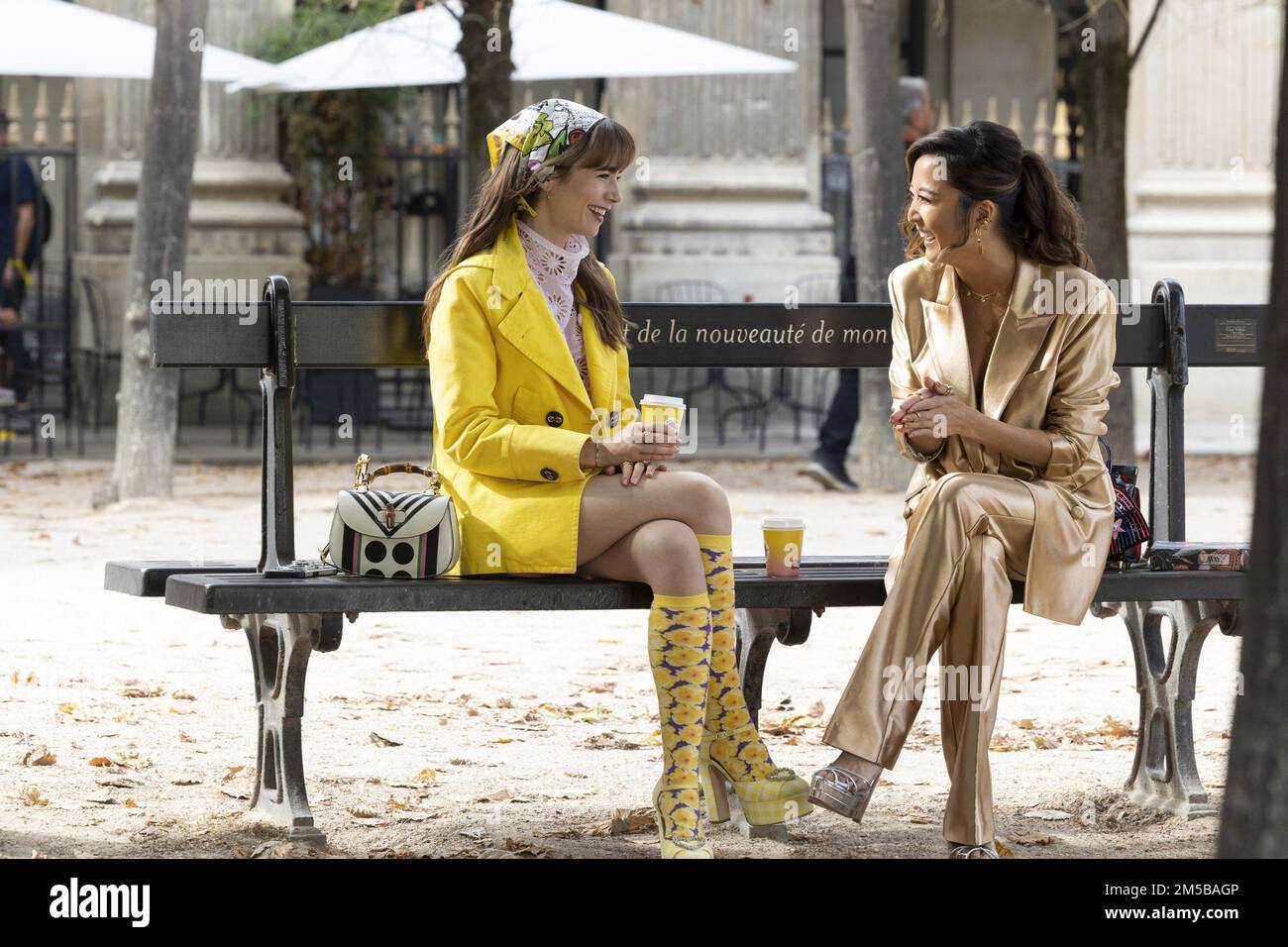
‘Emily in Paris’ has significantly influenced fashion trends by showcasing pieces from renowned designers and local boutiques alike. The character of Emily, played by Lily Collins, is often seen sporting bold outfits that are both chic and playful, leading to discussions about modern femininity and style. Fashion retailers have reported an uptick in sales of items similar to those worn by Emily, often referred to as the “Emily Effect.”
Moreover, the series has sparked a surge in tourism to Paris, with fans eager to experience the city through the lens of the show. Locations featured in the series, like the iconic Café de Flore and the Place de l’Etoile, have seen increased foot traffic, with many tourists seeking to recreate Emily’s Parisian adventures. Industry experts estimate a 30% increase in tourism to these sites since the show’s release, highlighting the tangible effects of media on travel destinations.
Representation and Cultural Discussion
<pThe series has also ignited conversations about cultural representation in media. Some viewers celebrate the lighthearted depiction of American life in Paris, while others criticise it for a lack of authenticity and deeper engagement with French culture. The contrasting opinions underscore the importance of representation in television, making 'Emily in Paris' a focal point for discussions about cultural sensitivity and the responsibility of creators to portray diverse narratives accurately.
Conclusion
‘Emily in Paris’ extends beyond mere entertainment, influencing fashion choices, tourism trends, and cultural dialogues. Its blend of comedy, aesthetics, and romance offers a unique perspective on modern life, albeit with a charm that some find unrealistic. As the series continues to gain popularity and new seasons are anticipated, it will be interesting to see how it evolves and what further discussions it may inspire about cultural identity and experience in a globalised world. For fans and critics alike, ‘Emily in Paris’ serves as a reminder of the far-reaching influence of media in shaping perceptions and experiences.
You may also like