Introduction
The term ‘housemaid’ has long resonated within literature, film, and societal discussions, often symbolising class disparity and gender roles. With recent events highlighting the relevance of domestic work, the role of housemaids, both real and fictional, has garnered renewed interest. Understanding this topic sheds light on societal norms and the narratives that shape our perceptions of domestic service.
The Evolution of the Housemaid Representation
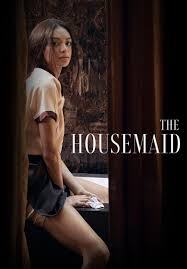
The figure of the housemaid has evolved significantly over the years. Traditionally depicted in literature as subservient figures, housemaids today often find their stories told through a more nuanced lens. Recent adaptations in film and television have showcased housemaids as central characters, exploring their inner lives, aspirations, and the societal pressures they face. A notable example is the television series ‘The Housemaid’, which not only engages viewers with a gripping narrative but also provokes discussions surrounding class structure and personal agency.
Recent Media Releases
In the wake of the COVID-19 pandemic, there has been an increase in media focusing on domestic workers, as many households began to depend heavily on home help. The 2021 film adaptation of ‘The Housemaid’ made waves for its intense storytelling and the way it highlighted the often-overlooked challenges of domestic labour. Critics praised the film for its ability to spark conversations about race, privilege, and the complexities involved in domestic work, as seen through the eyes of the titular character.
Public Commentary and Discussions
In several panels and discussions held by cultural critics, the representation of housemaids has been labelled as a reflection of societal attitudes towards gender, race, and class. Social media platforms have seen extensive dialogue where users weigh in on the portrayal of housemaids, offering both praise and critique for the ways in which they are depicted in various forms, from literary works to visual media. This discussion is particularly relevant in a time when people are redefining domestic roles and expectations.
Conclusion
The relevance of ‘The Housemaid’ extends beyond single narratives; it opens a gateway for understanding broader themes related to gender and class dynamics. As writers and creators continue to explore this complex character, audiences are reminded of the vital roles that domestic workers play, both within fiction and reality. Going forward, it is anticipated that the evolving stories of housemaids will not only entertain but also enlighten, encouraging a reevaluation of how we view domestic work and its impact on society.
You may also like