Introduction
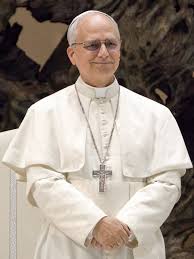
The current pope, Pope Francis, has been a significant figure in the Catholic Church and the wider world since his election in 2013. His leadership comes at a time when the Church faces numerous challenges, including declining attendance, social issues, and the need for interfaith dialogue. Understanding his influence helps illuminate the evolving role of the Catholic Church in contemporary society.
Pope Francis’ Background
Born Jorge Mario Bergoglio in Buenos Aires, Argentina, Pope Francis became the first pope from the Americas. He is known for his humble beginnings, having worked as a teacher and a social worker before becoming a bishop. His approach has always been pastoral rather than elitist, a theme that resonates throughout his papacy.
Key Initiatives and Themes
One of the hallmark themes of Pope Francis’ papacy is his focus on social justice and the marginalised. His encyclical, Laudato Si’, called for urgent action on climate change and emphasised the moral imperative to protect the environment. Amidst the global climate crisis, he advocates for the poor and has urged governments to consider the impacts of their policies on vulnerable populations.
Moreover, Pope Francis has been a strong proponent of dialogue among different faiths. His historic visit to the Arabian Peninsula marked the first time a pope has set foot in the region, furthering interfaith conversations. He has consistently emphasised compassion, urging Christians to extend love and acceptance to all, regardless of their beliefs.
Current Challenges and Responses
Despite his advocacy, the current pope also faces significant challenges, such as the Church’s ongoing struggle with sexual abuse scandals. His attempts to address these issues, including implementing stringent guidelines for accountability and transparency, have met with mixed reactions. While he has taken steps to address these past wrongs, many remain sceptical about the Church’s commitment to substantive change.
Conclusion
As Pope Francis approaches the ten-year mark of his papacy, the significance of his leadership remains evident. He embodies a shift towards a more socially engaged and global Catholic Church, addressing pressing issues like poverty, climate change, and interfaith relations with urgency and compassion. The lasting impact of his papacy will likely continue to shape the dialogue within the Church and its role in the world, reflecting a commitment to a more inclusive and just society. Looking ahead, Francis’ approach may signify a change in the Church’s trajectory, encouraging future leaders to prioritise empathy and social responsibility.
You may also like