Introduction
The television series Modern Family has left an indelible mark on popular culture since its debut in 2009. Created by Christopher Lloyd and Steven Levitan, the show cleverly portrayed the complexities of contemporary family dynamics through a mockumentary format. Its significance lies not only in its comedic brilliance but also in its ability to represent diverse family structures and societal issues, making it a critical lens through which audiences could view the evolving notion of family in the 21st century.
Overview of the Series
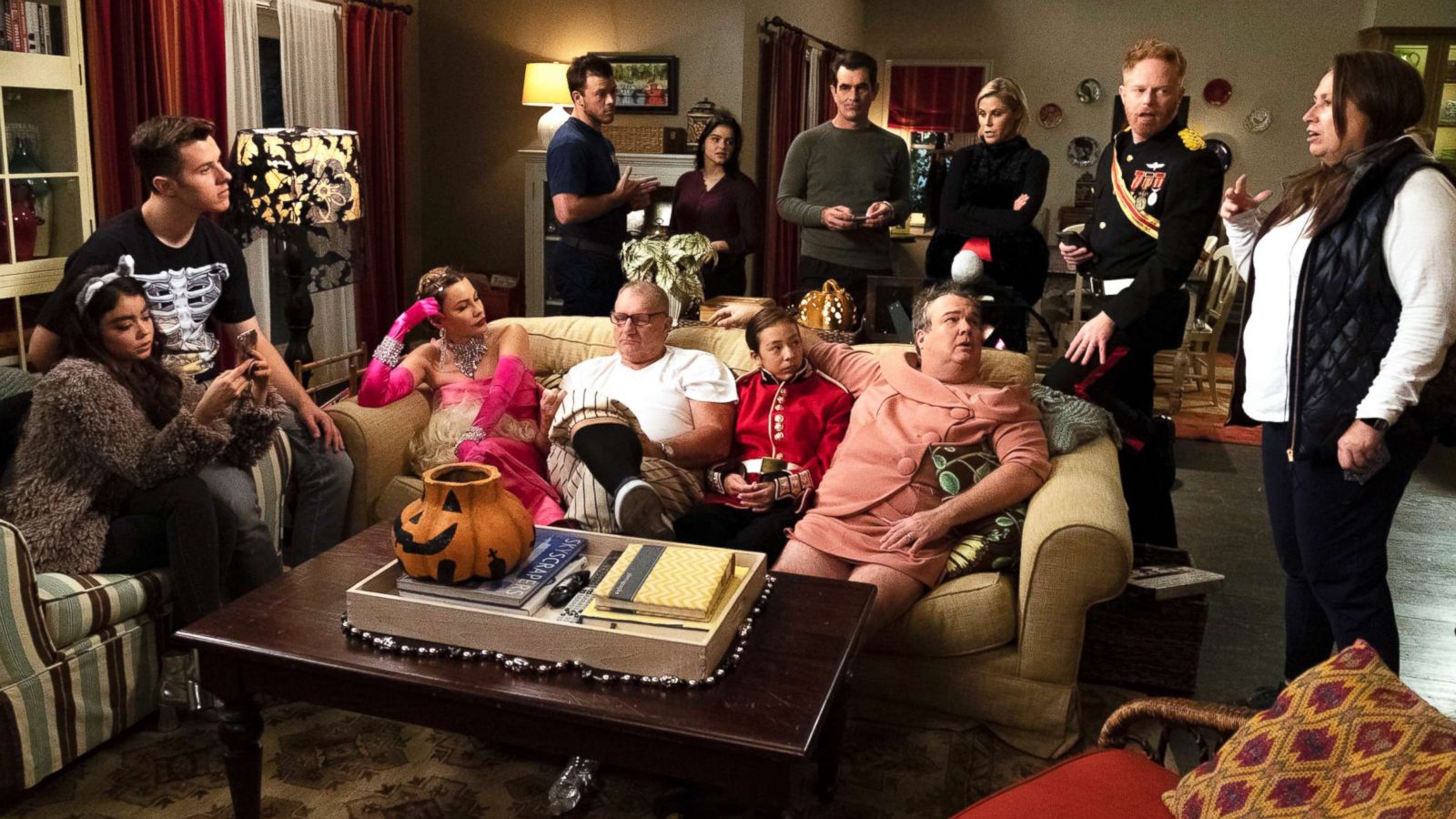
Over eleven seasons, Modern Family garnered an impressive array of accolades, including five Primetime Emmy Awards for Outstanding Comedy Series. The ensemble cast, featuring actors like Ed O’Neill, Julie Bowen, Ty Burrell, and Sofia Vergara, brought to life the complexities of connected but distinct families. The series wove together three primary families – the Dunphys, the Pritchetts, and the Tucker-Pritchetts – each showcasing their unique challenges and hilarious interactions while addressing themes such as marriage, parenting, and LGBTQ+ representation.
Impact on Society and Culture
Throughout its run, Modern Family tackled several significant social issues, including same-sex marriage, inter-ethnic adoption, and gender roles. The character of Mitch and Cam, one of television’s first prominent gay couples, offered representation that resonated with many viewers and contributed to a broader acceptance of LGBTQ+ relationships in mainstream media. Such representation has been crucial in facilitating discussions about family diversity and inclusivity, influencing audiences of all ages.
Audience Reception and Legacy
The show’s reception at both critical and audience levels has been overwhelmingly positive, maintaining a strong following even after its finale in 2020. Its unique blend of humour and heart-felt moments ensured that it won over millions of fans around the globe. Additionally, the relatable storylines and well-developed characters have inspired numerous fan theories, merchandise, and social media discussions, solidifying its place in TV history.
Conclusion
As we reflect on Modern Family and its legacy, it is clear that the series has transcended mere entertainment. Its bold exploration of modern relationships has reshaped the landscape of family-centric television, encouraging future creatives to push boundaries within the genre. The impact of Modern Family will continue to be felt as audiences revisit its episodes, finding laughter and relatability long after its final curtain. As society evolves, the conversations initiated by the series remain relevant, highlighting the importance of acceptance and understanding in our ever-changing world.
You may also like