Introduction
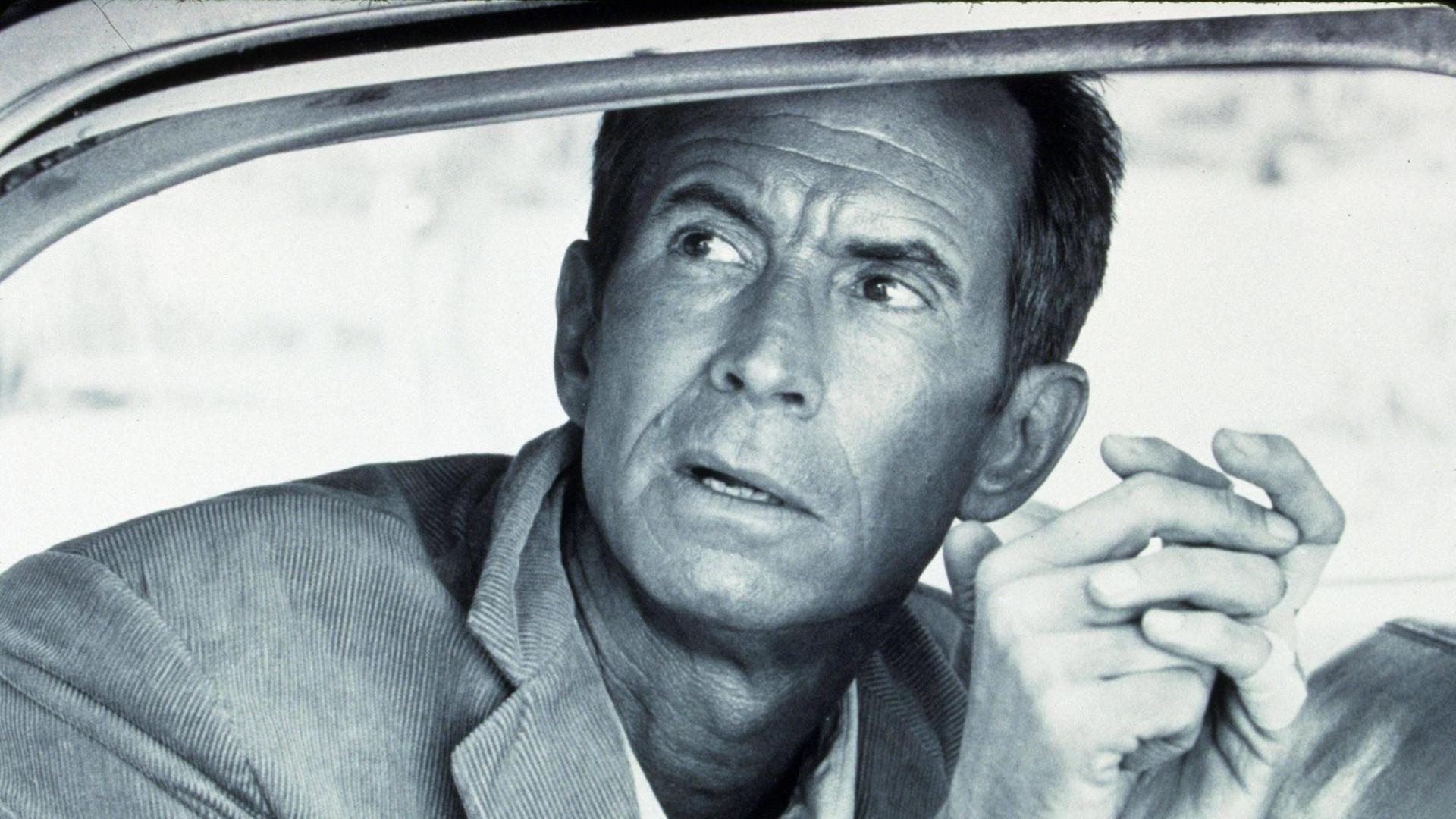
Norman Bates, the chilling character from Alfred Hitchcock’s 1960 film ‘Psycho,’ has become synonymous with horror over the decades. The character, first brought to life by actor Anthony Perkins, embodies themes of duality, mental illness, and the darker side of human nature. As we see a resurgence in interest about psychological horror in today’s film and television landscapes, understanding Bates’s character provides insight into why he remains a powerful symbol of fear and fascination.
Background of the Character
Created by Robert Bloch and adapted for the screen by Alfred Hitchcock, Norman Bates is inspired by real-life murderer Ed Gein. He runs a secluded motel and lives under the influence of his deceased mother, showcasing an unsettling relationship that drives the narrative of ‘Psycho.’ The infamous shower scene, the chilling twist ending, and Bates’s complicity in his mother’s crimes revolutionized horror storytelling, influencing countless films and TV series thereafter.
Norman Bates in Popular Culture
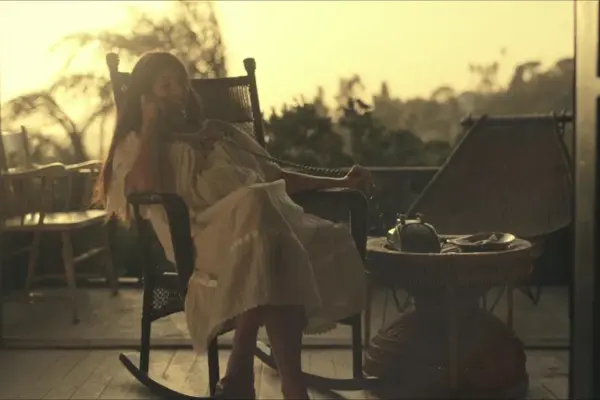
The character’s impact extends beyond his debut in the 1960s. Bates became a pivotal figure in horror culture, inspiring various adaptations, including the ‘Bates Motel’ television series, which explores his backstory and the events leading to his transformation into a killer. The show, which aired from 2013 to 2017, received critical acclaim and contributed significantly to the character’s legacy. Additionally, Bates has appeared in video games and is often referenced in discussions about psychological horror and character studies.
Modern Interpretations and Discussions
Today, discussions surrounding Norman Bates often consider the representation of mental health in media. Critics argue that while Bates’s character is iconic, it also perpetuates harmful stereotypes about mental illness and its connection to violence. As society pushes for better representation and understanding of mental health, it is crucial to approach characters like Bates with a critical eye, recognising both their cultural significance and the implications of their portrayals.
Conclusion
Norman Bates remains an enduring figure in the horror genre, representing complex themes of identity, trauma, and fear. As modern filmmakers revisit the psychological horror genre, the character’s legacy offers valuable lessons about the storytelling possibilities and ethical considerations of depicting mental illness. The ongoing fascination with Bates not only highlights our collective anxieties about the human psyche but also encourages greater dialogue about how we portray such topics in film and media. As horror continues to evolve, Norman Bates undoubtedly will continue to be a pivotal character in its narrative tapestry.
You may also like