Introduction
The Titanic is one of the most iconic maritime disasters in history, symbolising the combination of human ambition and tragedy. The sinking of the RMS Titanic on April 15, 1912, when it struck an iceberg during its maiden voyage, resulted in the death of over 1,500 passengers and crew. This catastrophic event has shaped maritime law and public consciousness, making the study of the Titanic particularly important as we reflect on safety regulations and historical narratives surrounding maritime travel.
Recent Developments and Discoveries
In recent months, several notable events have reignited interest in the Titanic. The Titanic Exhibition has been touring various locations, offering immersive experiences and showcasing artefacts retrieved from the ocean floor. As of October 2023, the exhibition in London has attracted attention, emphasising the enduring fascination with this historic ship.
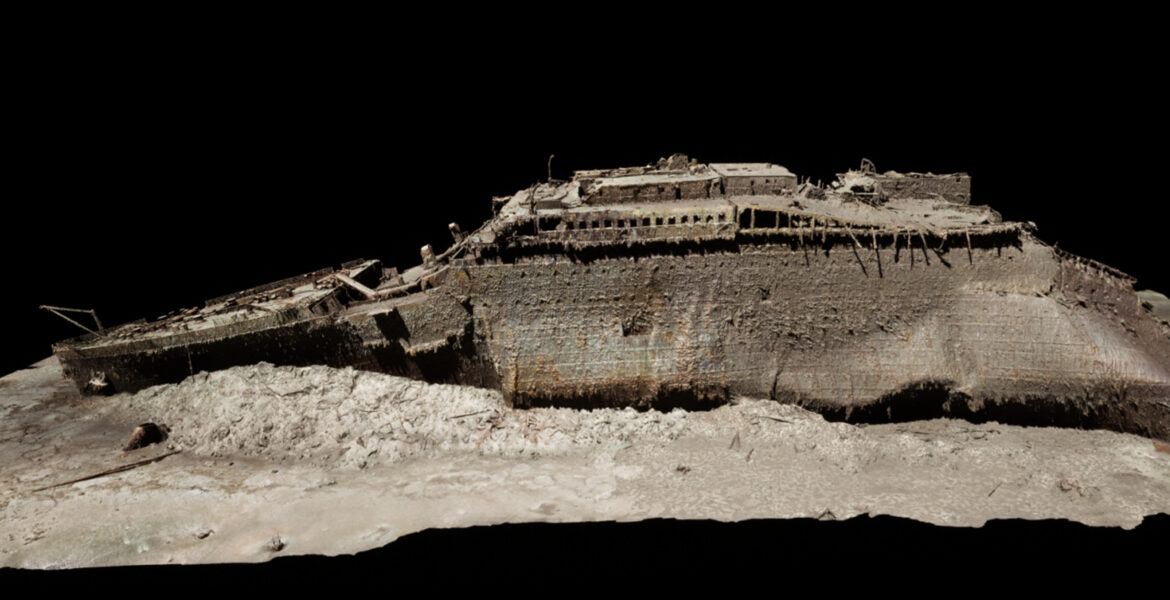
Furthermore, advancements in underwater exploration technology have led to new discoveries at the wreck site. In July 2023, a team of oceanographers and historians using state-of-the-art submersibles conducted a detailed survey of the wreck. They found that deteriorating conditions, including microbial growth and corrosion, are affecting the ship’s structure. The findings underscore both the harsh realities of deep-sea preservation and the ship’s rapidly declining state.
Implications for Maritime Safety
The Titanic disaster has had lasting implications on maritime safety regulations. Following the sinking, the International Convention for the Safety of Life at Sea (SOLAS) was instituted, establishing more stringent safety requirements for passenger ships. As shipping continues to evolve with larger vessels and complex technology, historians and safety experts often refer back to the Titanic to draw lessons on risk management and safety protocol advancements.
Conclusion
The Titanic remains a poignant reminder of human vulnerability in the wake of technological optimism. As new discoveries surface and interest in the ship persists, it is critical to continue examining the lessons learned from this tragedy. By doing so, we honour the memory of those lost while enhancing our understanding of maritime safety. The legacy of the Titanic, both in terms of its historical narrative and its ongoing influence on maritime regulations, is likely to continue to inspire discussions relevant to modern shipping. Looking forward, the impact of advancements in technology and safety practices remains vital to ensuring that history does not repeat itself.
You may also like