Introduction
In an era of instant information and connectivity, flight trackers have become indispensable tools for travellers and aviation enthusiasts alike. These applications and websites provide real-time updates on flight statuses, offering crucial data such as departure and arrival times, delays, and gate changes. As global air travel continues to rebound post-pandemic, understanding the significance of flight trackers is more relevant than ever.
The Mechanism Behind Flight Trackers
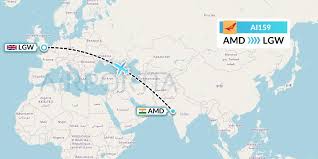
Flight trackers operate by accessing data from various sources, including air traffic control systems, airlines, and satellite systems. By leveraging this information, they present users with an accurate and up-to-date overview of flight movements. Many trackers feature interactive maps that allow users to visually follow the path of a flight, enhancing the travel experience.
Recent Developments
With the ongoing recovery of international travel following significant disruptions caused by COVID-19, flight tracking technology has evolved. Recently, major airlines have begun integrating more advanced tracking features into their mobile apps, allowing passengers to receive push notifications about their flight status. For example, British Airways has implemented AI-driven notifications that alert passengers of any delays or changes in real-time, making travel more seamless.
The Benefits of Using Flight Trackers
1. Timeliness: Knowing a flight’s real-time status can prevent unnecessary trips to the airport and help with better planning, especially during busy travel seasons.
2. Informed Decisions: Flight trackers provide information that helps passengers decide if they should wait at the gate or grab a meal before boarding.
3. Enhanced Communication: For those waiting to pick up arriving passengers, flight trackers allow for more accurate arrival time predictions, improving overall efficiency at airports.
Looking Ahead
As technology continues to advance, the functionality of flight trackers is expected to expand. Innovations like augmented reality may soon provide users with interactive experiences at airports, showing not only flight path data but also real-time congestion within terminals. Furthermore, sustainability features may emerge, allowing passengers to monitor the carbon footprint of their flights.
Conclusion
Flight trackers represent a valuable intersection of technology and convenience for modern travellers. As the aviation industry continues to adapt, the usefulness of flight trackers is anticipated to rise, further enhancing the travel experience. Staying informed through flight tracking not only benefits individual passengers but contributes to a smoother overall journey in the ever-evolving landscape of air travel.
You may also like