Introduction
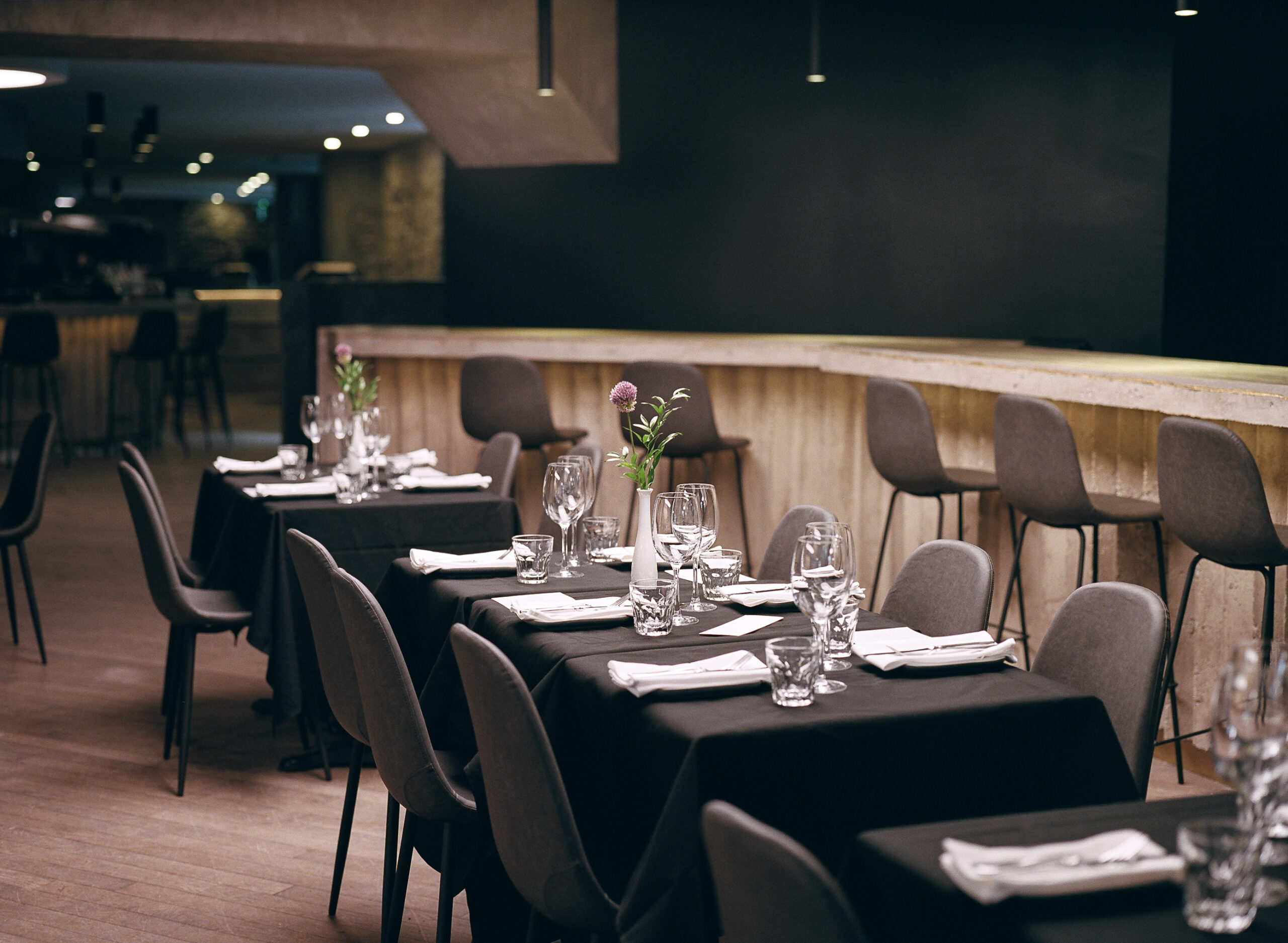
The restaurant industry has long been a vital part of the United Kingdom’s cultural and economic landscape. In recent years, the sector has experienced rapid growth, fuelled by a burgeoning interest in culinary experiences and diverse food offerings. With the COVID-19 pandemic significantly altering dining habits, restaurants have had to adapt and innovate, fostering a new era of dining that continues to shape societal norms and local economies.
Current Trends in the Restaurant Sector
As of 2023, the UK restaurant industry is projected to grow by over 5% annually, with more establishments embracing sustainability and local sourcing. According to a report by Hospitality UK, approximately 70% of restaurants have adopted eco-friendly practices, such as reducing plastic use and sourcing ingredients from local farms. Additionally, the rise of plant-based dining has transformed menus across the nation, with a reported increase of 26% in vegan restaurants over the past two years.
Impact on Local Economies
Restaurants not only serve food but also play a significant role in local economies, providing jobs and contributing to community development. In 2022 alone, the restaurant sector created over 200,000 jobs, according to the Office for National Statistics (ONS). As the industry continues to rebound from pandemic restrictions, it is helping to stimulate economic recovery, particularly in urban areas severely impacted by lockdowns.
Challenges Faced
Despite the optimistic growth, the restaurant sector faces several challenges. Rising operational costs, including food inflation and energy prices, have put pressure on small businesses. A recent survey conducted by the British Restaurant Association revealed that 45% of restaurant owners identified supply chain issues as a significant hurdle. Additionally, recruitment has become increasingly difficult, with vacancies in the hospitality sector remaining high due to Brexit and changing employment dynamics.
Future Outlook
The future of the restaurant industry in the UK appears promising, albeit with several uncertainties. As consumer preferences continue to evolve, restaurant owners must remain agile and innovative. The increasing popularity of technology, such as online reservations and delivery services, indicates that businesses that adapt to digital trends will likely thrive. Furthermore, a focus on sustainability and unique dining experiences will continue to shape the restaurant landscape over the next decade.
Conclusion
The restaurant industry is not merely about food; it reflects broader societal trends, economic conditions, and lifestyle choices. As the UK moves forward from the shadows of the pandemic, the resilience and creativity displayed by restaurant owners suggest a vibrant future for this culinary sector. For consumers, the ongoing evolution of restaurants promises a dynamic landscape filled with new tastes and experiences.
You may also like