Introduction
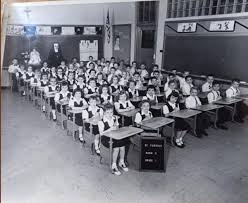
The classroom has long been the heart of the education system, a vital space where learning occurs, and ideas flourish. In recent years, however, the role of the classroom has undergone significant transformation, driven by advancements in technology, changing educational philosophies, and the need for inclusive learning environments. Understanding these changes is crucial for educators, students, and parents alike, as they have far-reaching implications for how knowledge is imparted and received.
Technological Integration in Classrooms
One of the most notable changes in classrooms is the integration of technology. Schools worldwide are increasingly adopting digital tools to enrich the learning experience. For example, interactive whiteboards, tablets, and online resources have become commonplace, allowing for a more engaging and dynamic learning environment. According to the Department for Education, as of 2023, over 70% of UK schools report using tablets in their classrooms, demonstrating a clear shift towards digital learning platforms.
Innovative Teaching Methods
Alongside technological advancements, educators are also embracing innovative teaching methods designed to meet the diverse needs of students. Collaborative learning, project-based learning, and flipped classrooms are just a few approaches that have gained popularity. These methods encourage active participation, critical thinking, and teamwork, skills that are essential in today’s workforce. A recent study by the Education Endowment Foundation highlights that students engaged in collaborative learning show a 20% increase in academic performance compared to traditional methods.
Inclusivity and Accessibility
Another significant aspect of contemporary classrooms is a focus on inclusivity and accessibility. Schools are striving to create environments where all students, regardless of their backgrounds or abilities, can thrive. This has resulted in the implementation of adaptive technologies and differentiated instruction, ensuring that every learner’s needs are met. The Government’s Special Educational Needs and Disability (SEND) Review released in 2022 emphasised the importance of fostering inclusive practices in classrooms, underscoring a commitment to equal opportunities in education.
Conclusion
The evolving role of the classroom reflects broader trends in society and the need to adapt to an ever-changing world. As technology continues to shape educational practices, and as teaching methods evolve to be more inclusive and engaging, the traditional classroom is transforming into a vibrant ecosystem of learning. For educators, staying informed and adaptable will be key to maximising the benefits of these changes. Looking ahead, the ongoing challenge will be to ensure that the classroom remains a supportive and stimulating environment, equipped to meet the demands of future generations.
You may also like