Introduction
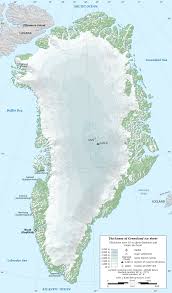
The Greenland Ice Sheet, covering approximately 1.7 million square kilometres, is one of the largest ice masses on the planet. Its relevance extends beyond the Arctic region; it plays a pivotal role in global sea level rise and is a significant indicator of climate change. Recent studies have intensified concerns regarding the stability of this ice sheet, as rising temperatures continue to pose a threat to its integrity.
Current Events and Research Findings
Research published in the journal Nature indicates that the Greenland Ice Sheet is melting at an accelerated pace, losing more than 279 billion tonnes of ice annually between 2009 and 2019. This trend has been primarily attributed to rising air temperatures, which have increased due to climate change. In 2021, the ice sheet experienced one of its worst melting seasons on record, with surface melt contributing to a significant reduction in mass.
In September 2022, scientists recorded that the ice sheet’s melting was responsible for approximately 0.8 mm of global sea level rise per year. This alarming figure represents nearly a quarter of global sea level rise since the 1990s, underscoring the urgent need for action regarding climate policies. Furthermore, a study released in early 2023 revealed that the thawing of the ice sheet is releasing large amounts of ancient methane trapped beneath the ice, which could further exacerbate global warming.
Implications for Sea Level Rise
The melting of the Greenland Ice Sheet has profound implications for coastal communities worldwide. Projections suggest that if the ice sheet were to melt completely, it could raise global sea levels by over 7 metres. While this scenario may take centuries to unfold, the current rate of melting suggests that immediate impacts could already be felt within the next few decades. Low-lying areas, such as parts of Bangladesh, the Maldives, and coastal cities like Miami and New York, could face increased flooding and changing ecosystems.
Conclusion
The future of the Greenland Ice Sheet is closely linked with global climate policies and actions taken today. As scientists continue to monitor its melting and the resulting effects on sea levels, it is crucial for governments and individuals to acknowledge the significance of climate change and work towards sustainable solutions. Understanding the current status of the Greenland Ice Sheet is not just about observing a distant ice mass; it’s about recognising the impending challenges posed to our world and the responsibility we share to mitigate these changes.
You may also like