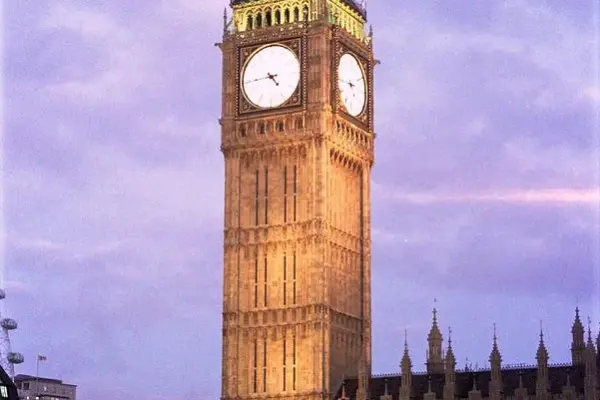
Introduction to Daylight Savings Time
Daylight Savings Time (DST) is an annual practice that involves moving the clocks forward by an hour during the warmer months in order to make better use of daylight. First implemented during World War I, DST has become a common feature in many countries, aimed at enhancing energy conservation and promoting outdoor activities in the evening. The importance of DST is magnified as discussions about its effects on health, economy, and daily life gain momentum.
Current Implementation and Debates
In the United Kingdom, clocks move forward by one hour at 1:00 AM on the last Sunday in March and revert back on the last Sunday in October. The European Union has been debating the abolishment of the biannual clock changes, with public opinion revealing a divided stance among member nations. While some argue for year-round standard time, others highlight the benefits of extended daylight in the evenings during spring and summer months.
Health and Economic Implications
Research surrounding the impact of DST on health has intensified, revealing mixed results. Studies suggest that the disruption caused by the clock change can lead to temporary sleep disturbances and decreases in overall productivity. Furthermore, there are concerns about the increased risk of heart attacks and road accidents shortly after the switch. On the economic side, proponents of DST argue that it boosts various sectors, particularly retail and tourism, as longer evening daylight hours encourage spending and activities.
Future of Daylight Savings Time
The trend towards abolishing or modifying DST continues to gain traction globally. Recent surveys indicate a growing inclination towards maintaining standard time year-round, which experts believe may enhance public health outcomes and improve overall well-being. In the UK, discussions about the potential permanent adoption of British Summer Time (BST) are ongoing, with some politicians advocating for legislative changes based on these findings.
Conclusion
Daylight Savings Time remains a contentious issue with significant implications for various aspects of society. As the debate continues, it is essential for individuals to stay informed about the effects of DST and consider their own preferences regarding time changes. Whether for or against DST, the topic encourages a dialogue that reflects broader cultural values and priorities. With possible reforms on the horizon, the future of Daylight Savings Time could look quite different from its historical roots.
You may also like