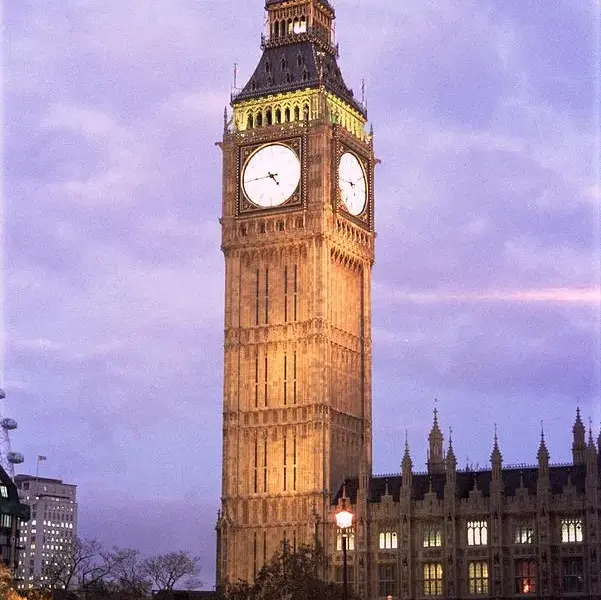
As the last Sunday in March approaches, the United Kingdom prepares for the annual ritual of changing the clocks. At 1am on March 29, 2026, the clocks will spring forward by one hour, marking the start of British Summer Time (BST). This practice, rooted in history, was first proposed by builder William Willett in 1907 and adopted by Germany in 1916, becoming a staple for many countries around the world.
However, this year, the time change is met with growing skepticism. Polling conducted in October revealed that 59% of Britons would prefer to remain permanently on BST if the time changes were to be scrapped altogether. This sentiment reflects a broader questioning of the benefits of Daylight Saving Time (DST) in modern society.
Health experts, including Dr. John O’Neill, have voiced concerns about the health risks associated with the time change. “It does not really serve much of a benefit to anybody these days, whilst exposing us to a small but significant series of risks,” he stated. Research indicates that incidences of heart attacks and strokes tend to increase following the clock change, highlighting the potential dangers of this biannual adjustment.
Despite the automatic adjustments made by most electronic devices, some still require manual changes, leading to confusion and missed appointments. The phrase “spring forward, fall back” serves as a reminder, yet the implications of this time shift extend beyond mere inconvenience.
As the UK transitions into BST, observers are left to ponder the future of timekeeping in the country. With more than 70 countries worldwide observing Daylight Saving Time, the UK remains part of a dwindling group that still adheres to this practice. Most Asian countries have opted out, raising questions about the relevance of such traditions in a rapidly changing world.
Looking ahead, the debate surrounding the time change is likely to intensify. As more people express their desire for a permanent shift to BST, officials may be compelled to reconsider the necessity of changing the clocks twice a year. The conversation is not just about time but also about health, well-being, and the rhythms of modern life.
As the clocks go forward this March, many will feel the impact of losing an hour of sleep. The shift serves as a reminder of the complexities of time in our lives, and the ongoing discussions about its future in the UK are far from over.
You may also like