Introduction
Rainfall radar technology plays a crucial role in weather forecasting, providing real-time data about precipitation patterns. As climate change increases the frequency and intensity of storms, accurate rainfall predictions are vital for public safety, agriculture, and urban planning. Understanding how rainfall radar works and its implications can help communities prepare for adverse weather conditions.
How Rainfall Radar Works
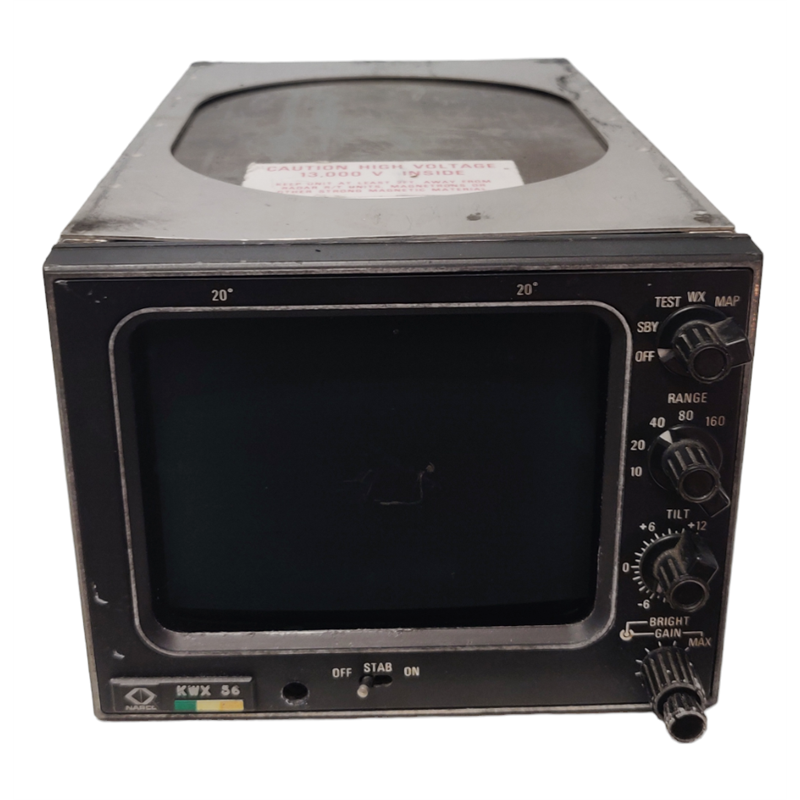
Rainfall radars function by emitting microwave signals towards the atmosphere. When these signals encounter precipitation, they scatter off droplets and return to the radar system. The radar can then measure the intensity and location of rainfall based on the returned signal. This technology allows meteorologists to create detailed maps of precipitation, including identifying heavy rainfall areas and predicting storm tracks.
Recent Developments in Rainfall Radar Technology
Recent advancements in rainfall radar have significantly improved the accuracy of forecasts. For instance, the introduction of dual-polarisation radar technology allows meteorologists to differentiate between types of precipitation—like rain, snow, and hail—resulting in more precise forecasts. Furthermore, new algorithms and machine learning techniques are being developed to enhance the prediction of heavy rainfall events.
Significance During Extreme Weather Events
During severe weather events, such as storms and floods, rainfall radar plays an essential role. It provides emergency services with timely data, allowing for efficient evacuation planning and deployment of resources. In the UK, the Met Office uses advanced radar systems to monitor rainfall and issue weather warnings, contributing to public safety and helping mitigate economic damage caused by natural disasters.
Future Directions and Innovations
The future of rainfall radar technology lies in its integration with other data sources, such as satellite imagery and ground-based weather stations. This multidimensional approach is anticipated to further enhance forecasting capabilities. Additionally, as technology continues to evolve, improved accessibility of real-time weather information via mobile applications can empower individuals and communities to respond proactively to weather warnings.
Conclusion
Rainfall radar technology is a pivotal element of modern meteorology that provides invaluable data for weather forecasting and safety. As climate patterns continue to shift, the refinement of rainfall radar systems and methodologies will be crucial in combating the challenges posed by severe weather. An informed public, equipped with accurate weather information, enhances community resilience against the impact of storms and heavy rainfall.
You may also like