Introduction
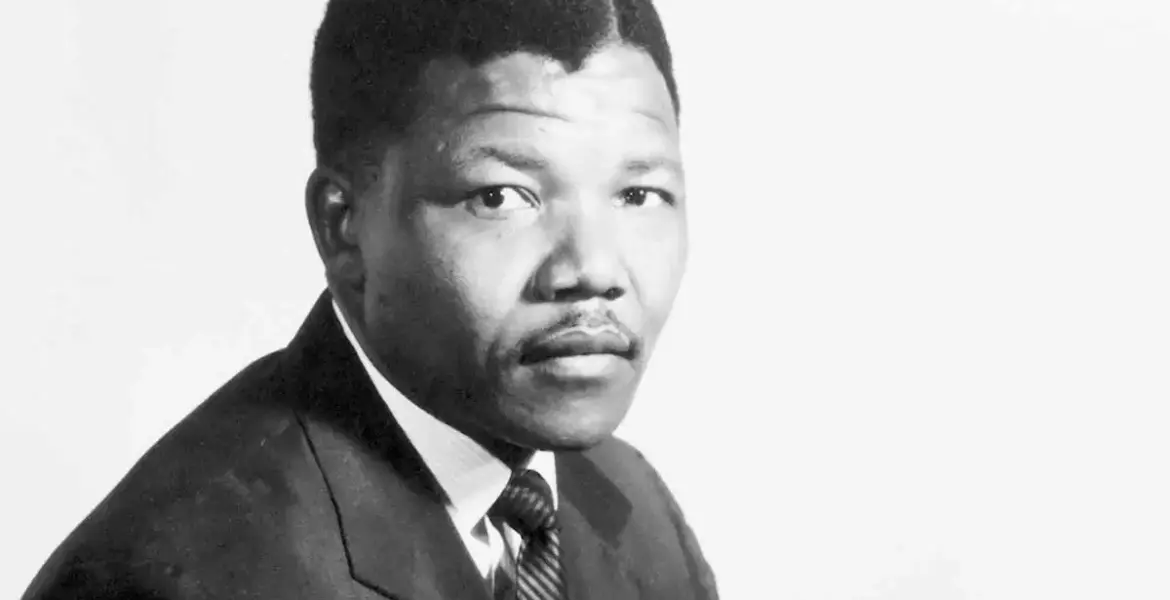
Nelson Mandela remains a symbol of resilience and hope in the global struggle for human rights and equality. His journey from a political prisoner to the first black president of South Africa is a testament to the power of perseverance and the fight against apartheid. Understanding his life and contributions is not only important for historical context but also for the ongoing discourse on social justice worldwide.
Early Life and Political Activism
Born on July 18, 1918, in the small village of Mvezo, Mandela was educated at the University of Fort Hare and later the University of Witwatersrand, where he earned a degree in law. He joined the African National Congress (ANC) in 1943 and became involved in the anti-apartheid movement, advocating for civil rights and equality. In 1961, after years of peaceful protests met with violence, Mandela co-founded Umkhonto we Sizwe, the armed wing of the ANC, leading to his arrest in 1962.
Imprisonment and Global Advocacy
Mandela’s imprisonment in 1964 would last 27 years, mainly at Robben Island, where he became a global symbol of resistance to oppression. His release in 1990, following international pressure and changes within South Africa, coincided with a significant shift in the nation’s political landscape. Mandela’s leadership in the peaceful transition from apartheid to a multi-racial democracy earned him a Nobel Peace Prize in 1993, alongside then-South African President F.W. de Klerk.
Presidency and Reconciliation Efforts
In 1994, Nelson Mandela was elected as South Africa’s first black president, a role he held until 1999. His presidency focused on reconciliation, nation-building, and improving the lives of all South Africans, regardless of race. He established the Truth and Reconciliation Commission, aimed at uncovering the truth about human rights abuses during apartheid and fostering national unity.
Legacy and Influence
Nelson Mandela’s impact transcended politics. He became a global advocate for peace, education, and human rights. His birthday, July 18, is celebrated as Nelson Mandela International Day, encouraging individuals to value service to the community. His writings, particularly his autobiography ‘Long Walk to Freedom’, continue to inspire generations globally.
Conclusion
Nelson Mandela’s legacy is one of unwavering commitment to justice, equality, and the power of forgiveness. His life serves as a reminder that the fight for human rights is ongoing and that each individual can contribute to building a better world. As society continues to grapple with issues of inequality, Mandela’s teachings remain relevant, encouraging continual engagement in the collective struggle for justice.
You may also like