Introduction
Bitcoin, conceived in 2008 by an anonymous individual or group known as Satoshi Nakamoto, has revolutionised the financial world since its inception. As the first decentralised cryptocurrency, it has become a pivotal topic in finance, technology, and law, drawing attention from investors, governments, and tech enthusiasts alike. The importance of Bitcoin lies not only in its potential as an alternative currency but also in the underlying blockchain technology that promises to disrupt traditional finance.
Current Trends in Bitcoin
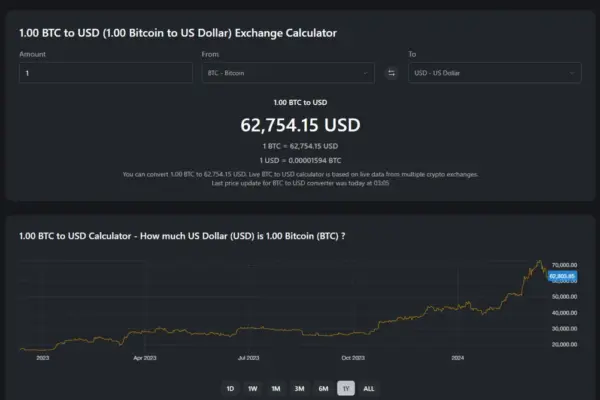
As of October 2023, Bitcoin’s price has been fluctuating around £25,000, greatly influenced by global economic conditions and regulatory frameworks. Recent reports suggest there is a growing institutional interest in Bitcoin, particularly as inflation concerns continue to rise. Several large companies, like Tesla and Square, have started accepting Bitcoin as a form of payment, while major financial institutions are investing heavily in Bitcoin-related assets.
Moreover, countries like El Salvador have adopted Bitcoin as legal tender, marking a significant milestone in mainstream cryptocurrency adoption. Despite ongoing debates over regulatory compliance and environmental impact, the Bitcoin network has demonstrated resilience through market volatility, maintaining its position as the leading cryptocurrency in market capitalization.
Challenges and Opportunities
Despite its increasing acceptance, Bitcoin faces numerous challenges. Regulatory scrutiny is on the rise, with governments around the world considering regulations to mitigate risks associated with cryptocurrency. Concerns about money laundering, tax evasion, and the volatility of digital assets continue to be major topics among policymakers.
Additionally, the environmental impact of Bitcoin mining, which requires significant energy consumption, has led to calls for more sustainable practices within the industry. Innovations such as proof-of-stake alternatives and improvements in energy efficiency are being pursued as solutions to these concerns.
Conclusion
Looking ahead, Bitcoin’s trajectory will likely be influenced by its perceived value as a stable store of wealth, particularly in times of economic uncertainty. Analysts forecast that Bitcoin might outperform traditional assets as more individuals and institutions recognise its utility and potential as a hedge against inflation. As such, staying informed about Bitcoin’s developments is essential for anyone involved in finance or technology. The future of Bitcoin not only represents a shift in the realm of digital currency but also holds the promise of a broader evolution in how we understand and utilise money in a digital age.
You may also like