Introduction
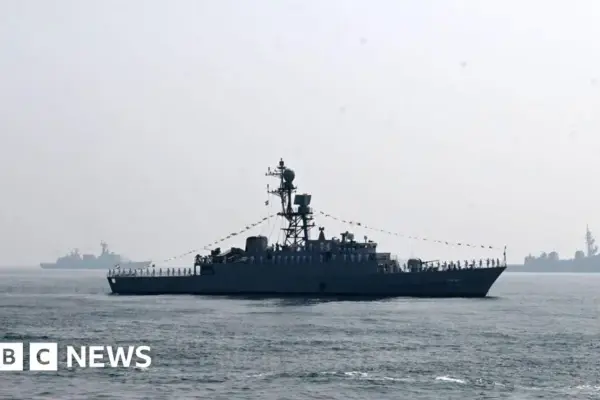
The navy plays a crucial role in ensuring the security of nations and maintaining peace on the seas. As global tensions rise and maritime trade remains vital for international economies, the relevance of a formidable naval force is increasingly evident. This article explores the current state of world navies, their importance in geopolitical stability, and the contemporary challenges they face.
Current State of World Navies
In recent years, there has been a significant expansion and modernisation of naval forces worldwide. Countries like the United States, China, and Russia continue to invest heavily in their naval capabilities, reflecting their strategic interests. According to a 2023 report from the International Institute for Strategic Studies, global naval expenditures rose by 10% compared to the previous year, highlighting the intensifying arms race at sea.
The U.S. Navy remains the world’s most powerful maritime force, operating 11 aircraft carriers and numerous submarines equipped with advanced technologies. Meanwhile, China’s navy, the People’s Liberation Army Navy (PLAN), has rapidly grown in both ship quantity and operational reach, seeking to assert its influence in the South China Sea and beyond.
Importance in Geopolitical Stability
Nations regard their navies as essential tools of diplomacy and deterrence. Naval power provides countries with the ability to project force globally, protect trade routes, and respond to humanitarian crises. For instance, the recent international collaborative naval exercises, such as the Rim of the Pacific (RIMPAC), aim to enhance interoperability among allies and demonstrate a united front against potential aggressors.
Moreover, the navy plays a pivotal role in combating piracy, trafficking, and illegal fishing, which threaten global stability and economic health. Operations in the Gulf of Aden, for example, are critical for ensuring safe passage for commercial vessels passing through strategic shipping lanes.
Challenges Facing Modern Navies
Despite their importance, navies today face considerable challenges. As asymmetric threats rise, traditional naval power must adapt to counter new warfare strategies, including cyber warfare and unmanned systems. In addition, climate change poses a significant risk; rising sea levels and changing ocean patterns threaten naval bases and operational readiness.
Conclusion
As the geopolitical landscape continues to evolve, the navy’s role remains as vital as ever. Future investments in technology and training will be essential for navies to meet emerging challenges effectively. For citizens and policymakers alike, understanding the ongoing developments in naval power is crucial for appreciating its significance in safeguarding national and global security.
You may also like