In the months leading up to April 2026, expectations surrounding the relationship between the White House and the Vatican were fraught with tension. The two institutions had been at odds over various issues, including immigration policies and military actions. However, few anticipated the explosive remarks that would soon unfold.
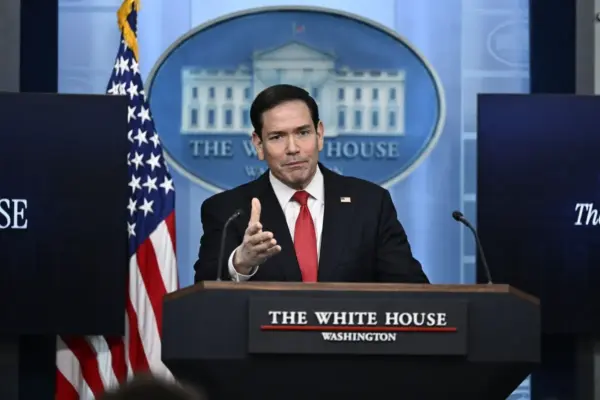
On April 13, in Algiers, Donald Trump publicly criticized Pope Leo XIV, labeling him as “weak on crime” and “terrible for foreign policy.” This marked a decisive moment in their fraught relationship, as Trump’s comments struck a chord with many of his supporters while simultaneously drawing ire from church leaders.
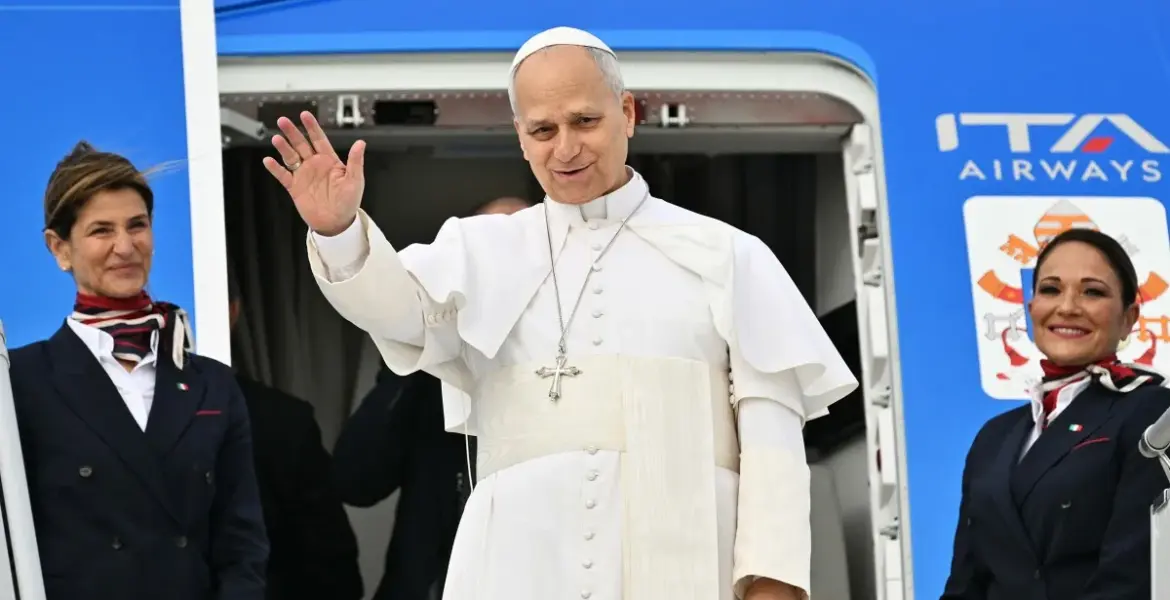
Pope Leo XIV, currently on an 11-day tour of four African nations, responded swiftly, asserting, “I have no fear of the Trump administration, or speaking out loudly of the message of the gospel.” His remarks underscored a stark contrast between the Pope’s spiritual mission and Trump’s political rhetoric.
The fallout was immediate. Archbishop Paul Coakley rebuked Trump’s comments, expressing dismay that the President would choose to disparage the Holy Father. “I am disheartened that the President chose to write such disparaging words about the Holy Father,” Coakley stated, emphasizing the Pope’s role as a spiritual leader rather than a political rival.
Adding to the controversy, Trump shared an AI-generated image of himself depicted as a Jesus-like figure, which was later deleted following backlash from conservatives. This incident further complicated the narrative, as it blurred the lines between faith and politics in a way that many found troubling.
As the situation unfolded, Trump’s remarks about the Pope drew criticism not only from church leaders but also from conservatives who felt that such comments undermined the sanctity of the papacy. Trump’s assertion that he does not want a pope who criticizes the President of the United States has raised questions about the intersection of faith and political power.
Experts suggest that this ongoing tension reflects deeper societal divides, particularly regarding the role of religion in politics. The rift between Trump and Pope Leo XIV may symbolize a broader struggle within the American political landscape, where faith and governance increasingly clash.
As the world watches this unfolding drama, the implications for both the Trump administration and the Vatican remain significant. The relationship between political leaders and religious figures is under scrutiny, and the reactions from both sides could shape future interactions.
Details remain unconfirmed regarding the long-term effects of this controversy on the political landscape, but the immediate fallout is clear: a deepening divide that may alter perceptions of leadership and faith in America.
You may also like