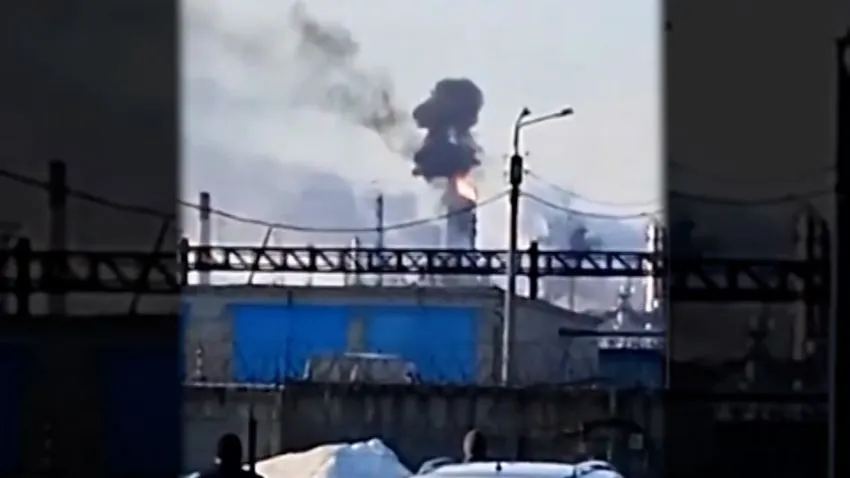
The Tuapse oil refinery has been hit by Ukrainian drones for the third time in less than two weeks, causing a massive fire that forced the evacuation of nearby residents. The ongoing attacks have severely disrupted Russia’s oil production capabilities.
The latest strike, which occurred on April 29, 2026, resulted in dense black smoke rising from the facility. This incident follows a pattern of escalating Ukrainian drone attacks targeting critical energy infrastructure—part of a broader strategy to undermine funding for the ongoing conflict.
Since halting production on April 16 due to prior damage, the refinery has struggled to regain its footing. With an annual production capacity of about 12 million tonnes and producing approximately 240,000 barrels of oil products daily, these strikes threaten not just local operations but also the wider Russian oil industry.
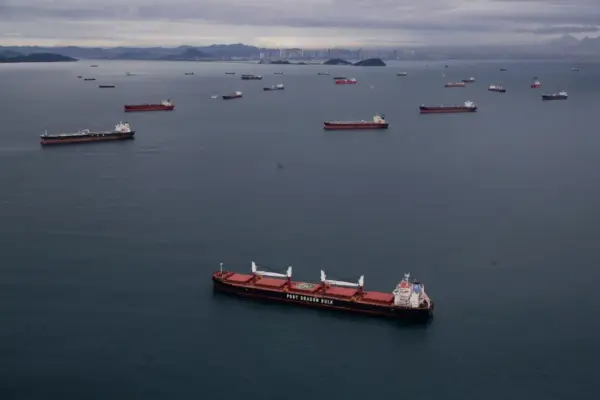
At least three lives have been lost due to these strikes. Emergency services have been engaged in relentless firefighting efforts to contain the flames and mitigate environmental consequences, including an oil spill that occurred at sea as a result of one of the previous attacks.
Vladimir Putin condemned the attacks, stating, “Drone attacks against civilian infrastructure are becoming more frequent.” Meanwhile, officials like Aleksandr Kurenkov assured that “the situation is complicated but controllable.” Yet, with each attack, uncertainty looms larger over future operations and safety measures.
The impacts extend beyond immediate damage; they ripple through local communities and economies reliant on the refinery. The Tuapse evacuation reflects growing fears among residents as tensions escalate.
In this climate of uncertainty and risk, many are left wondering what further developments may unfold. As firefighting efforts continue and authorities assess damages, one thing is clear: the stakes are high for both local residents and the wider Russian economy.
You may also like