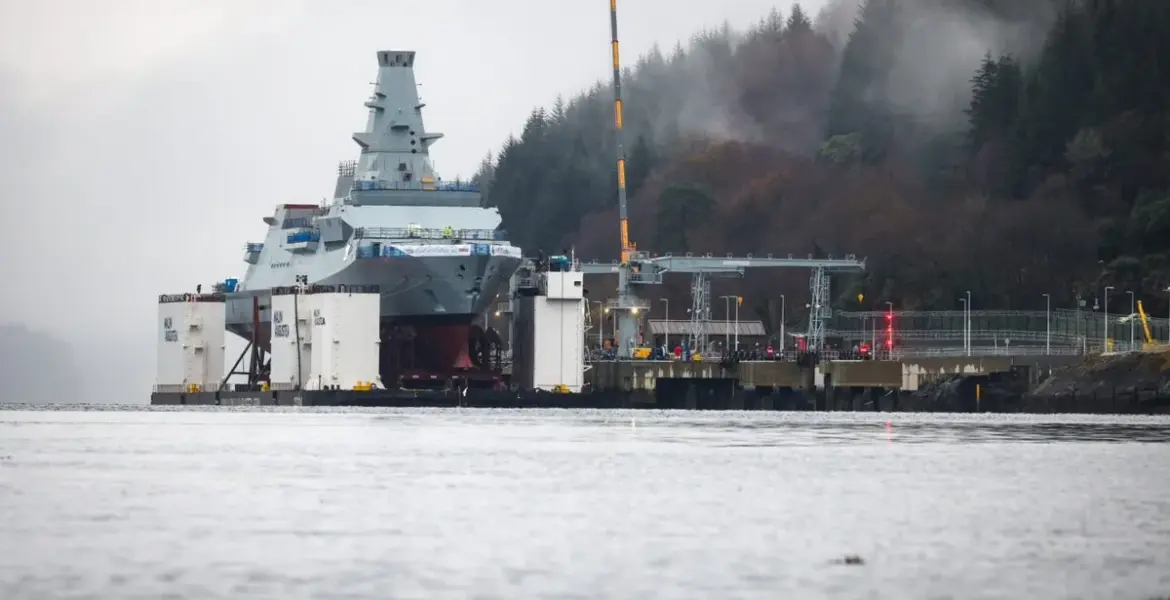
Norway has officially joined the Type 26 frigate programme, a move that significantly boosts NATO’s naval capabilities in the Atlantic. This announcement, made during a ceremony in Halifax, Nova Scotia, confirms Norway’s intention to acquire five of these advanced vessels.
The Global Combat Ship User Group—comprising the UK, Canada, and Australia—welcomes Norway into its fold. Their collaboration aims to deliver up to 34 warships collectively. Norway’s Type 26 frigates will operate alongside the Royal Navy’s eight vessels, enhancing interoperability within NATO.
Designed primarily for anti-submarine warfare, these ships represent a strategic upgrade for Norway’s maritime defense. Commodore Stephen Roberts remarked, “Our strategic maritime security partnership with allies is further strengthened by Norway’s inclusion in the wider GCS enterprise alongside our Canadian and Australian partners.” It’s clear that this partnership is about more than just ships; it’s about shared security.
Captain Alexander Erichsen of the Royal Norwegian Navy expressed pride in joining this initiative: “It is an honour for Norway and the Royal Norwegian Navy to join the Global Combat Ship User Group and formally enter the wider Type 26 community.” His words reflect a commitment to enhanced collaboration.
But this isn’t just about current capabilities. The first vessel for the Royal Canadian Navy, HMCS Fraser, was laid down about a year ago, signaling a broader commitment among these nations. With HMS Glasgow leading the charge, these vessels are expected to enter service later this decade.
Yet, there are uncertainties looming over this ambitious plan. The official allocation of eight Type 26 frigates to the Royal Navy faces potential budgetary issues that could affect timelines and operational readiness.
Norway’s inclusion comes on the heels of the Lunna House Agreement signed in December 2025—a significant step toward deeper allied integration. This agreement underscores a shared vision for enhanced defense capabilities across member nations.
The stakes are high as NATO navigates an evolving global landscape. Enhancing naval power is crucial—not just for defense but also for maintaining peace in volatile regions.
This development signals a renewed commitment among allies to bolster their maritime strength. As these nations prepare for future challenges, their collective efforts will shape the future of naval warfare.
You may also like