Introduction to Child Trust Funds
Child Trust Funds (CTFs) are a unique savings vehicle established by the UK government in 2005. Aimed at encouraging savings for children’s futures, CTFs are designed to help bridge the wealth gap and provide a financial asset for young individuals reaching adulthood. The relevance of CTFs has gained renewed attention as they represent both a tool for financial literacy and an opportunity for families to invest in their children’s future.
Key Features and Benefits
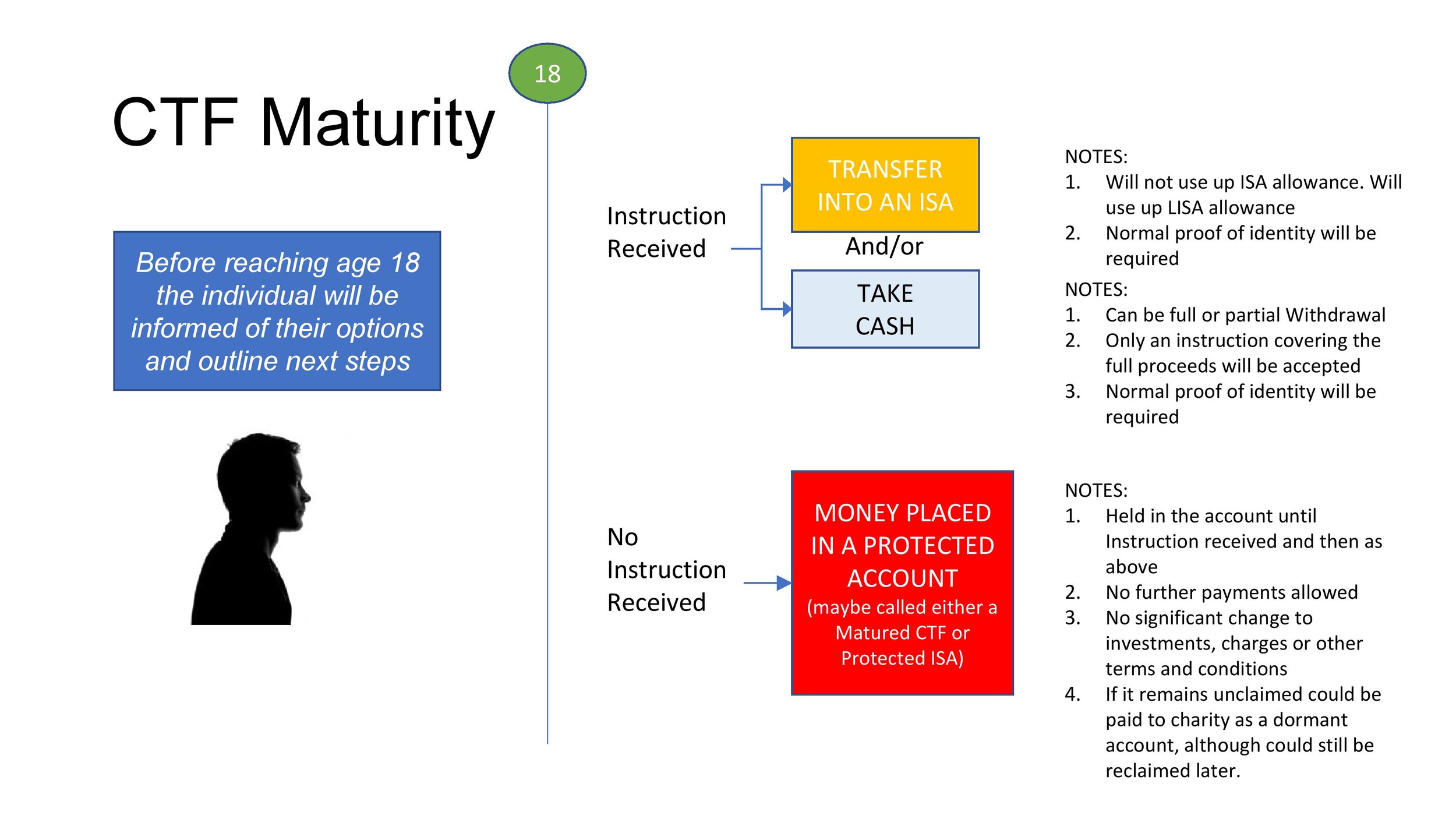
Every child born on or after September 1, 2002, received a CTF voucher from the government, which can be used to open an account. Parents or guardians can also make additional contributions, with funds eventually being accessible at the child’s 18th birthday. There are several advantages to these accounts. Primarily, CTFs are tax-efficient; the interest or investment growth is not subject to tax, making them a compelling option for long-term savings. Furthermore, the government initially provided a sum of £250, or £500 for low-income families, to kick-start each account.
Current Developments in Child Trust Funds
As of 2023, the UK government continues to promote awareness and use of CTFs. Recent studies show that a significant percentage of these funds remain untouched. According to HM Revenue and Customs (HMRC), approximately 1.5 million accounts with a total value exceeding £8 billion await mobilisation when account holders reach 18. This situation highlights the need for increased financial education amongst young adults, empowering them to make informed decisions regarding their funds.
The Future of Child Trust Funds
Looking ahead, CTFs face challenges such as fluctuating economic conditions and digital finance trends. With the rise of new savings schemes and investment platforms, young adults may be drawn to alternative options that offer potentially higher returns. However, financial experts continue to advocate for the CTF model, emphasising its simplicity and government backing as key advantages. As financial awareness improves, the potential for these funds to transform the financial landscape for many young people remains significant.
Conclusion
Child Trust Funds hold a crucial role in fostering savings among young individuals in the UK. With ongoing discussions surrounding financial literacy and investment options, it is essential for parents and guardians to engage in conversations about CTFs and encourage their children to understand and utilise these funds. While alternatives may emerge, the foundational principle of Child Trust Funds remains clear: to provide young people with a solid financial foundation as they step into adulthood.
You may also like