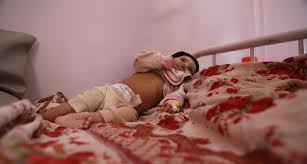
Introduction to Dengue Fever
Dengue fever, a viral disease transmitted by mosquitoes, continues to be a significant public health concern across tropical and subtropical regions. With climate change altering environmental conditions and urbanisation expanding, the incidence of dengue fever has seen a worrying resurgence. Awareness and preventive strategies are crucial to mitigating outbreaks and safeguarding communities.
Current Outbreaks and Statistics
As of October 2023, the World Health Organization (WHO) reports an increase in dengue cases globally, with regions like Southeast Asia, the Americas, and parts of Africa experiencing severe outbreaks. Countries such as Brazil, India, and the Philippines have reported alarming case numbers, necessitating urgent responses from healthcare authorities. For instance, Thailand recently faced one of its worst dengue outbreaks, with cases exceeding sixty thousand by mid-2023, according to local health agencies.
Symptoms and Diagnosis
Dengue fever typically manifests with high fever, severe headache, pain behind the eyes, joint and muscle pain, and rash. In severe cases, it can progress to dengue haemorrhagic fever (DHF), which can be fatal if not treated promptly. Diagnosis often relies on clinical assessments supported by laboratory tests, including serology and PCR methods.
Preventive Measures
Preventing dengue fever largely depends on controlling mosquito populations and minimising exposure to bites. Public health campaigns focusing on community education, environmental management, and mosquito control measures have been implemented in various affected regions. Residents are encouraged to eliminate breeding grounds, such as stagnant water, and use mosquito repellents and nets.
The Role of Vaccination
In recent years, vaccination has emerged as an additional strategy to combat dengue fever. The Dengvaxia vaccine has been introduced in several countries for individuals who have had a previous dengue infection. Additionally, innovative vaccine candidates are under development, promising enhanced protection against multiple dengue serotypes, showcasing hope in controlling the disease’s impact.
Conclusion
The growing incidence of dengue fever underscores the urgent need for heightened public health vigilance and proactive measures. Governments and health organizations must invest in education, early detection, and mosquito control to address this ongoing challenge. With increasing globalisation and environmental changes, dengue fever remains a significant public health threat; thus, community engagement and scientific advancements will be vital in combating future outbreaks.
You may also like