Introduction
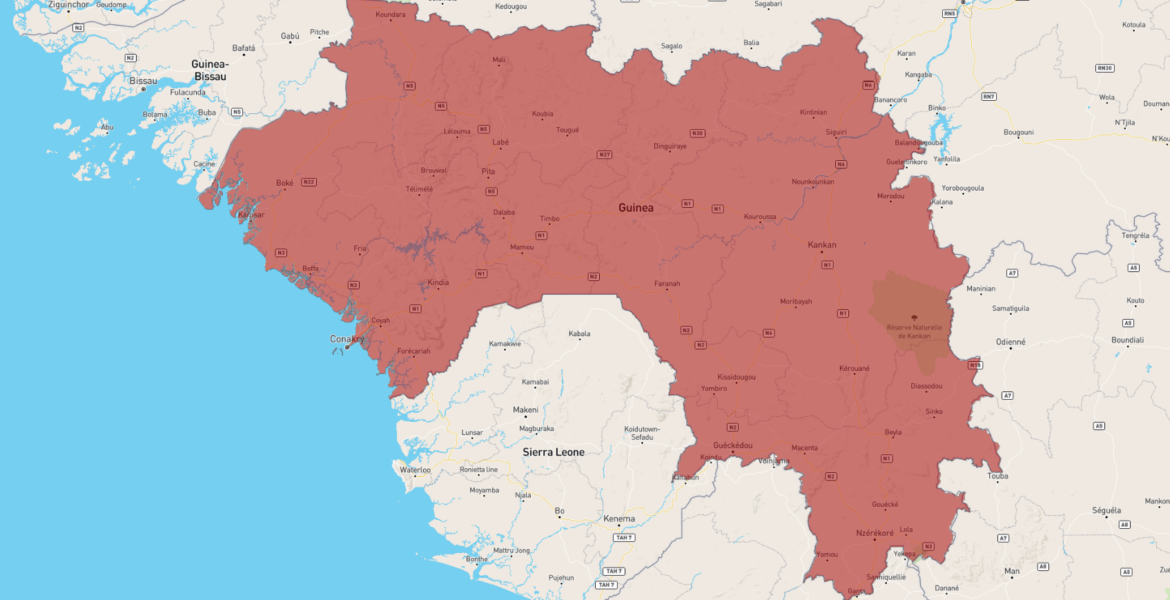
Guinea, a nation located on the west coast of Africa, has recently been in the news due to political, social, and economic changes. As a nation rich in natural resources and cultural diversity, current events in Guinea are pivotal not only for its citizens but also for regional stability and global markets. The growing interest in Guinea comes following developments that may shape its democratic processes and economic future.
Current Events in Guinea
Since the military coup in 2021, led by Colonel Mamady Doumbouya, Guinea has faced a period of uncertainty. The interim government has announced plans to return to civilian rule, with promises for elections announced initially for February 2023. However, this timeline has faced multiple delays due to political disagreements and logistical issues, deepening the nation’s political crisis.
Recently, international observers have expressed concern over human rights conditions in Guinea, especially regarding freedom of expression and the treatment of political opponents. Protests against the military regime have continued, advocating for more democratic reforms. The government has responded with crackdowns on dissent, further complicating the road ahead for Guinea.
The Economic Context
Despite the political turmoil, Guinea remains one of the world’s largest producers of bauxite, a critical mineral used in aluminium production. The country’s vast mineral wealth has attracted foreign investment; however, political instability poses a threat to long-term economic growth. The Guinea government has embarked on initiatives to boost transparency in negotiations with international mining companies to better leverage these resources for national development.
The agricultural sector also plays a vital role in Guinea’s economy. Agriculture employs a significant portion of the population but has faced challenges due to inadequate infrastructure, limited access to markets, and the impacts of climate change. These factors call for urgent reforms and support from both domestic and international stakeholders.
Conclusion
The situation in Guinea remains fluid, with the potential for significant change. As the country navigates its political landscape, citizens and international observers alike remain hopeful for a transition to a more stable and democratic governance structure. The outcomes of the impending elections and the government’s handling of political dissent will be critical in determining Guinea’s future.
For readers, keeping an eye on Guinea’s developments is crucial, as the nation’s trajectory could have wider implications for West Africa, including regional security, human rights, and economic opportunities.
You may also like