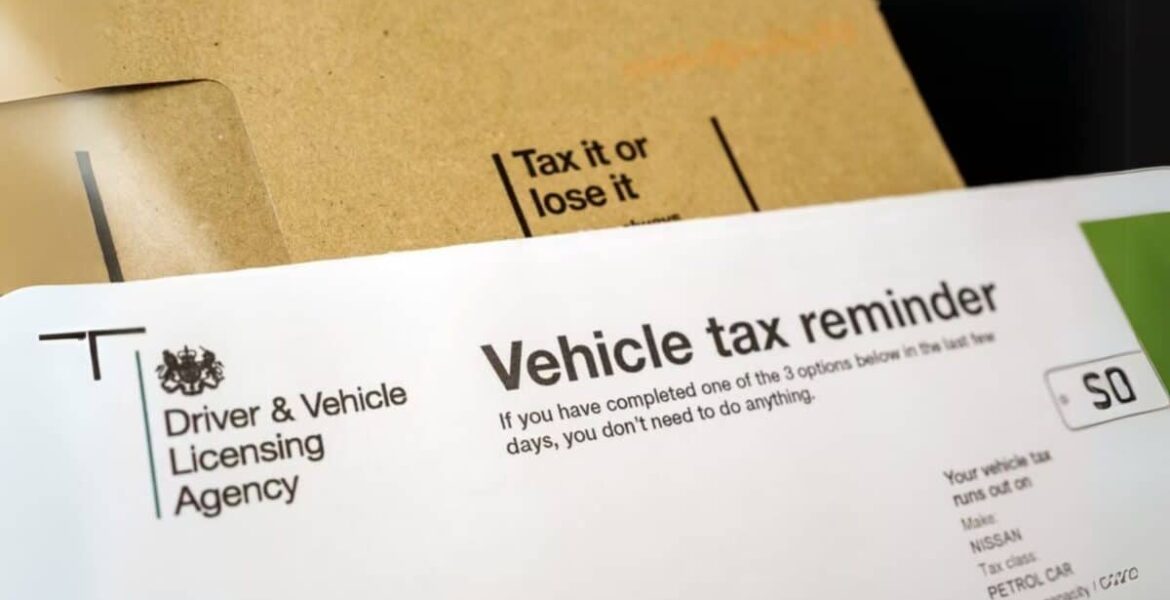
Introduction
In recent years, the topic of car taxation has gained increasing importance in the UK, particularly with the rise of environmental concerns and a growing desire for sustainable transport. High car tax vehicles, often associated with higher emissions, raise questions not only about their financial implications for drivers but also about their environmental impact. Understanding this issue is crucial for consumers and policymakers alike.
Current Overview of High Car Tax Vehicles
High car tax vehicles typically include those that produce higher levels of CO2 emissions. As per the UK’s Vehicle Excise Duty (VED) system, cars are categorised into bands based on their emissions. For the 2023/2024 tax year, vehicles emitting more than 226 grams of CO2 per kilometre fall into the highest tax band, which incurs a charge of £630 per year. New cars with emissions above this threshold are not only subject to the annual tax but also a first-year rate that can substantially increase overall costs.
Regulatory Changes and Trends
The UK government has introduced various measures aimed at encouraging the adoption of electric and low-emission vehicles. For example, the plug-in car grant and exemptions from road tax for zero-emission vehicles are intended to provide incentives for greener choices. However, the penalties for high car tax vehicles remain severe, impacting consumer behaviour and purchasing decisions.
The trend shows a decline in high-emission vehicle sales, as consumers become more environmentally conscious and the market adjusts to government incentives favouring electric vehicles. Data from the Society of Motor Manufacturers and Traders (SMMT) report a significant increase in the registrations of battery electric vehicles (BEVs), which saw a rise of over 70% in 2022 compared to the previous year.
Future Outlook
As the UK aims for its 2030 target of banning the sale of new petrol and diesel cars, the landscape of car ownership is likely to shift dramatically. High car tax vehicles may see an accelerated decrease in popularity, potentially leading to legislative adjustments in how car taxation is implemented.
In conclusion, understanding the implications of owning a high car tax vehicle is essential for consumers in today’s market. Not only are these costs significant, but they also reflect a broader trend towards sustainability and environmental responsibility. As policies evolve and more options become available, consumers must carefully consider their choices to align with both fiscal prudence and ecological integrity.
You may also like