The Importance of Inflation in 2026
Inflation is a critical economic indicator that affects the cost of living, purchasing power, and overall economic health. As we look towards 2026, understanding the potential trends in inflation becomes increasingly important for consumers, businesses, and policymakers alike. Inflation forecasts can shape monetary policy, influence investment decisions, and affect the everyday lives of individuals and families.
Current Trends and Predictions
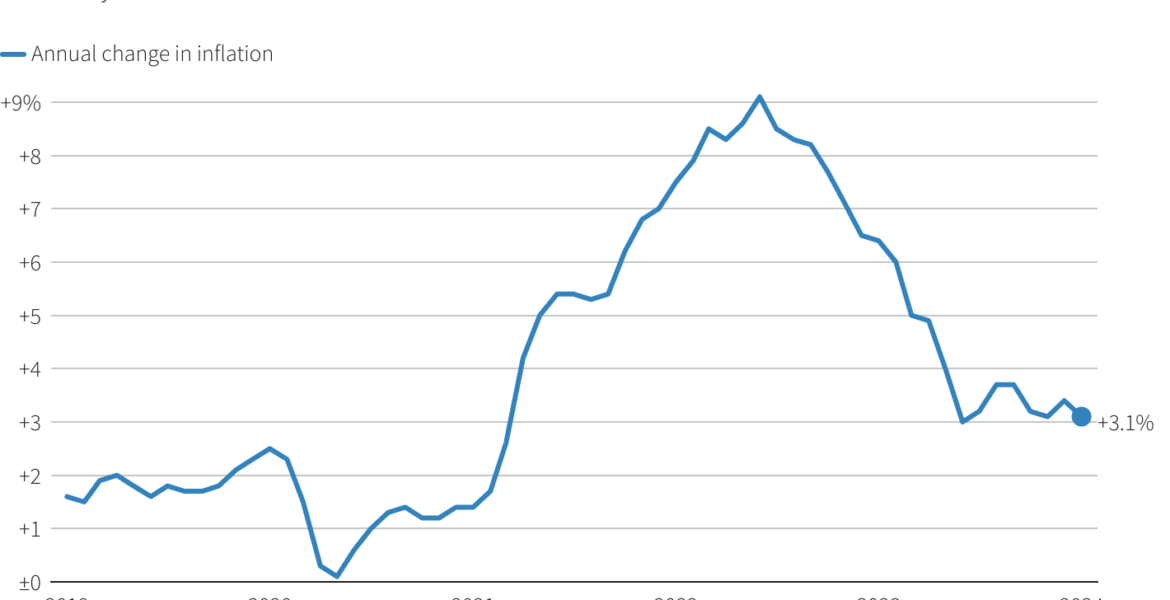
As of late 2023, inflation rates in the UK have shown signs of volatility, reflecting a complex interplay of supply chain disruptions, energy prices, and consumer demand. Many economists predict that inflation may stabilise but remain above pre-pandemic levels. According to the Bank of England’s recent forecasts, inflation is expected to hover around 3-4% by 2026, depending heavily on global economic conditions and domestic fiscal policies.
Factors influencing inflation rates by 2026 could include:
- Supply Chain Adjustments: Economies worldwide are working to resolve disruptions that emerged during the COVID-19 pandemic. An improvement in supply chains may curb inflationary pressures.
- Energy Prices: The transition to renewable energy and the geopolitical landscape will significantly affect energy prices, impacting overall inflation.
- Wage Growth: As businesses respond to labour shortages, higher wages could lead to higher costs for consumers, adding to inflation.
The Impact on Consumers and Businesses
The anticipated inflation in 2026 could have profound implications for UK households and businesses. Families may find that their purchasing power is eroded if wages do not keep pace with rising prices. Basic necessities, such as food, housing, and fuel, may take a larger chunk of household budgets.
For businesses, particularly those in retail and manufacturing, managing costs will become increasingly vital. Companies may need to adapt pricing strategies to cope with rising production costs while striving to maintain customer loyalty. The adaptation process could also spur innovation in operational efficiencies and supply chain management.
Conclusion: Preparing for the Future
As we approach 2026, understanding inflation trends and their implications is essential for all economic participants. Individuals should consider budgeting strategies that account for potentially higher living costs, while businesses must remain agile and responsive to changing economic landscapes. Policymakers will need to balance growth with measures to keep inflation in check, ensuring a stable economic environment. Overall, staying informed and prepared can help mitigate the effects of inflation, allowing consumers and businesses to navigate the challenges ahead.
You may also like