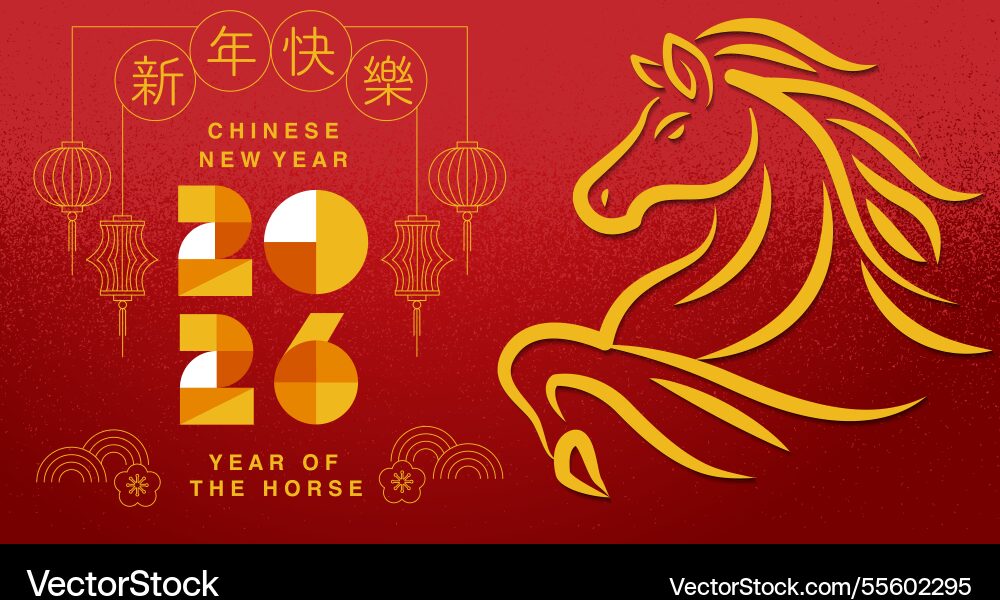
Introduction to Lunar New Year 2026
Lunar New Year, also known as the Spring Festival, is one of the most significant cultural celebrations in many Asian countries. In 2026, Lunar New Year falls on February 17, marking the beginning of the Year of the Fire Horse according to the Chinese zodiac. This festival is not only important for cultural reasons but also plays a vital role in promoting social and family cohesion, economic activities, and tourism.
Significance and Traditions
Lunar New Year is steeped in traditions and customs aimed at ensuring a prosperous year ahead. Families often engage in thorough cleaning of their homes to sweep away bad luck, followed by decorating with red lanterns and couplets that welcome fortune. Festivities include family reunions, special meals featuring traditional foods, and the giving of red envelopes filled with money, symbolising luck and prosperity.
In 2026, as nations emerge from the constraints of the Covid-19 pandemic, this celebration holds even greater significance as communities seek to reconnect and rejuvenate social ties. Major cities like Beijing, Singapore, and Hanoi are expected to host grand fireworks displays, parades, and cultural performances, showcasing the richness of their heritage.
Global Observance and Adaptations
The observance of Lunar New Year has expanded far beyond Asia. Cities around the world with large Asian populations, such as San Francisco, Sydney, and London, prepare for significant celebrations. Events include lion dances, food fairs, and cultural exhibitions that charm locals and tourists alike. In 2026, digital platforms will likely play a key role in spreading festivities across borders, allowing virtual participation in celebrations.
Conclusion and Forecasts
The Lunar New Year 2026 promises to be a vibrant occasion rich in cultural heritage and community spirit. While the celebrations may be affected by varying degrees of pandemic readiness and travel restrictions, the underlying themes of family reunification and hope for the future will resonate globally. As the Year of the Fire Horse approaches, communities are poised to engage in joyful festivities, ensuring that traditions are not only preserved but also adapted for future generations.
You may also like