Introduction
River otters (Lutra canadensis) are playful, aquatic mammals that inhabit a variety of freshwater ecosystems across North America. Their presence is crucial for maintaining the ecological balance of riparian habitats, and their playful nature makes them a favourite among wildlife enthusiasts. However, various environmental threats have placed river otters at risk, highlighting the importance of conservation efforts to protect these charismatic creatures.
Physical Characteristics and Behavior
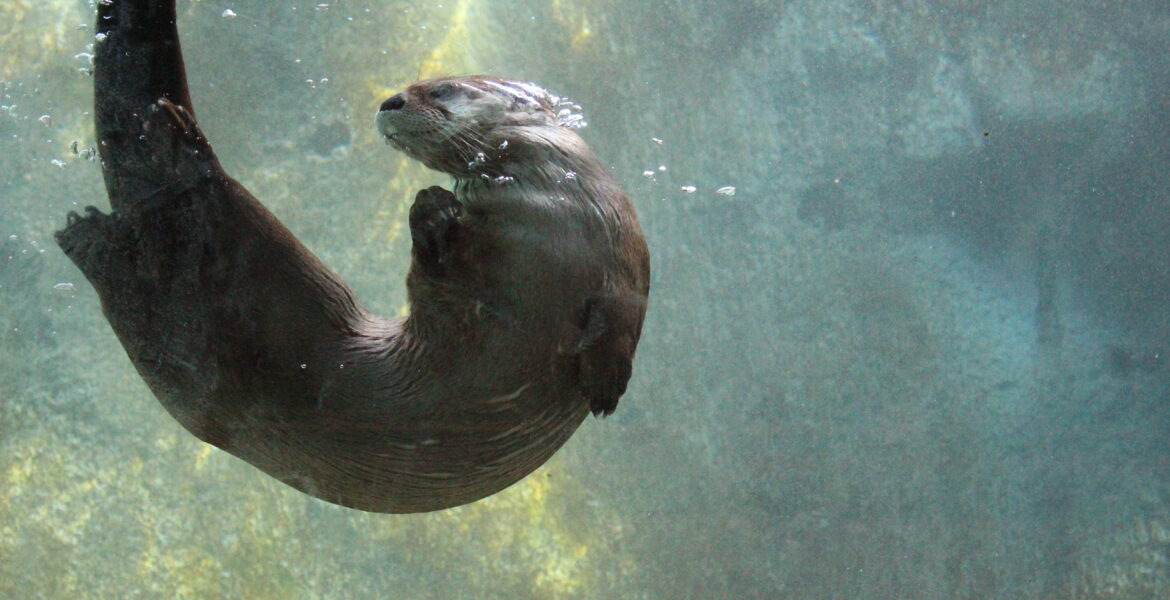
River otters have sleek, elongated bodies, measuring up to 5 feet long, including their tails. They possess webbed feet, making them exceptional swimmers, and thick fur that keeps them warm in cold waters. These social animals are often seen in family groups, engaging in play and foraging together. River otters primarily feed on fish, amphibians, and small mammals, showcasing their role as essential predators in their ecosystems.
Current Population and Habitat
Though river otters are currently classified as least concern by the International Union for Conservation of Nature (IUCN), local populations can be vulnerable due to habitat destruction, pollution, and hunting. With wetlands and riparian zones continuously encroached upon by urban development, otter habitats are increasingly threatened. Conservation programmes aim to monitor otter populations, restore habitats, and engage the public in successful preservation efforts.
Conservation Efforts
Organisations like the River Otter Conservation Trust in the UK focus on monitoring river otter populations and educating the public about their ecological importance. Recent efforts include encouraging river restoration projects and fostering safe corridors along waterway systems to facilitate otter movement and breeding. The British government is also taking steps to ensure otter-friendly practices in agriculture and development projects, aiming for long-term sustainability.
Conclusion
River otters are more than just delightful creatures that bring joy to those who encounter them; they are vital components of their ecosystems. Their role in maintaining healthy waterways underscores the need for concerted conservation efforts. As wetland habitats face increased threats, it is essential for communities and conservationists to work together to secure a future for river otters. By continuing to raise awareness and support local conservation initiatives, we can help ensure that future generations will experience the wonder of seeing these agile mammals thriving in their natural habitats.
You may also like