Introduction
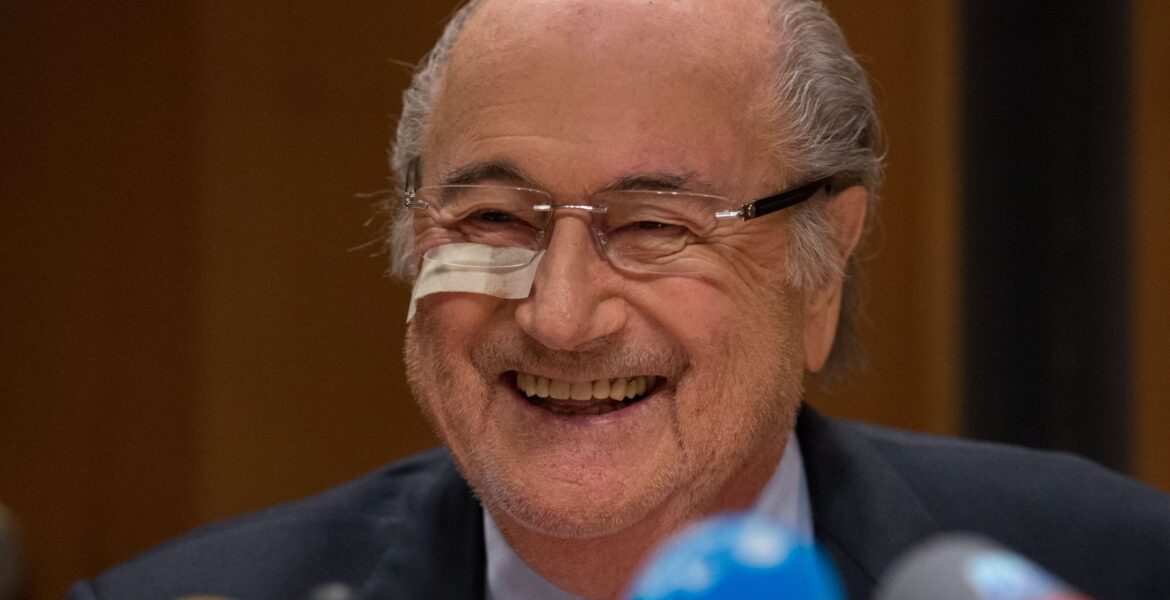
Sepp Blatter, the former president of FIFA, has been a polarising figure in the world of football. His tenure lasted from 1998 to 2015, a period marked by transformation in the game but also shrouded in controversy. As the tournament’s allure and commercial viability expanded, so did the scrutiny and accusations surrounding its governance. Assessing his legacy is crucial for understanding the ongoing effects on global football.
Controversies and Achievements
During Blatter’s presidency, FIFA saw significant growth, particularly in financial terms. The organisation’s revenue soared from around $1 billion to over $5 billion during his administration. This increase allowed FIFA to invest in grassroots football and expand its tournaments globally, including the introduction of the FIFA Women’s World Cup into the mainstream sporting lexicon.
However, Blatter’s tenure was marred by numerous scandals that culminated in a series of indictments of FIFA officials in 2015 for corruption and bribery. Allegations included the improper awarding of World Cups to South Africa in 2010 and Russia in 2018. Although he denied any wrongdoing, these scandals raised questions about governance practices within FIFA and led to his downfall.
Legal Troubles and Repercussions
Following the corruption charges, Blatter was banned from all football-related activities for six years by FIFA’s ethics committee, a sentence later reduced to four years. In December 2022, he faced further scrutiny as Swiss authorities reopened cases related to the awarding of the 2018 and 2022 World Cups and the financial dealings of FIFA during his presidency. Blatter’s legal battles highlight the many challenges that come with leading an organisation of FIFA’s magnitude.
Conclusion
Sepp Blatter’s story serves as a cautionary tale about the intersection of sports and governance. His impact on the growth of football remains undeniable, yet the legacy of alleged corruption continues to overshadow his contributions. As FIFA works towards restoring its reputation following the upheaval, it is essential to consider the lessons learned during Blatter’s leadership. Looking ahead, ongoing reforms aim to establish greater transparency and accountability in world football, which could shape the future of the sport in significant ways.
You may also like