Introduction to H5N1
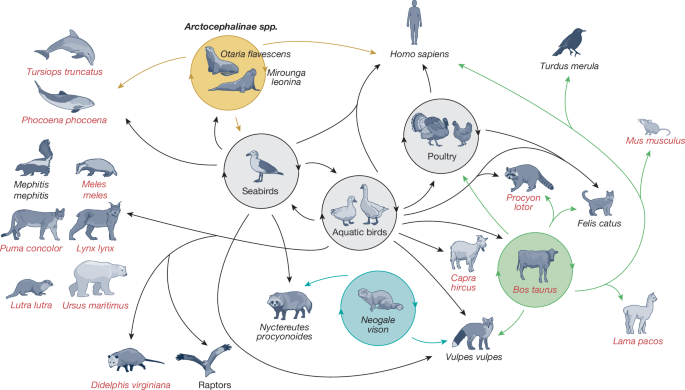
The H5N1 virus, known commonly as avian influenza or bird flu, remains a significant public health threat. Emerging primarily in birds, this virus has the capacity to infect humans, particularly those in close contact with infected poultry. Recent outbreaks have raised alarms among health officials worldwide, highlighting the importance of monitoring and controlling this pathogen to prevent potential pandemics.
Recent Outbreaks and Developments
In recent weeks, several countries have reported outbreaks of H5N1 in wild birds and domestic poultry. Notable cases have been confirmed in parts of Europe and Asia, where regional authorities are taking proactive measures to prevent further spread. For instance, in October 2023, Germany reported a notable increase in H5N1 cases among wild birds, prompting nationwide surveillance efforts and biosecurity measures to protect domestic flocks.
Furthermore, in the UK, authorities have escalated their monitoring processes in response to an increase in cases, with recommendations for poultry farmers to implement strict hygiene practices to limit the risk of infection. Meanwhile, in Asia, the World Health Organization (WHO) has noted that the risk of human infection remains low but emphasizes the need for constant vigilance.
Human Health Concerns
Human cases of H5N1 infection are rare but significantly alarming when they occur. According to the WHO, as of October 2023, there have been 862 confirmed cases since 2003, resulting in a high mortality rate. Reports of recent infections in humans, including a fatality in Indonesia, underscore the necessity for heightened surveillance in populations potentially exposed to the virus. Public health experts stress the importance of monitoring these developments and educating communities about preventive measures.
Conclusion and Future Implications
The recent H5N1 outbreaks illustrate the complex relationship between animal and human health and the critical importance of surveillance, biosecurity measures, and public education to mitigate the risks. With global travel and trade, the potential for the virus to spread increases, making it essential for countries to cooperate in monitoring and responding to avian influenza threats. As research continues into vaccines and treatments, health experts urge continued investment in biotechnology and public health infrastructure to prepare for potential future challenges.
You may also like