Introduction
The inflation rate is a crucial economic indicator that reflects the overall price increase in goods and services over time. It has profound implications on monetary policy, cost of living, and overall economic growth. Recently, the inflation rate in the UK has drawn attention due to significant fluctuations that are impacting consumers, businesses, and investors alike. Understanding these trends is vital as they influence financial planning and economic stability.
The Current Landscape of Inflation
As of October 2023, the UK’s inflation rate stood at 6.7%, reflecting a slight decline from earlier peaks in 2022 when it reached a 40-year high of 11.1%. This decrease is attributed to a combination of factors, including a drop in energy prices and improved supply chain conditions. The Bank of England has been actively monitoring these trends and adjusting interest rates accordingly. In September 2023, the Bank maintained the base interest rate at 5.25%, aiming to strike a balance between curbing inflation while supporting economic growth.
Key Factors Influencing Inflation
Several elements contribute to the current inflation rate, most notably:
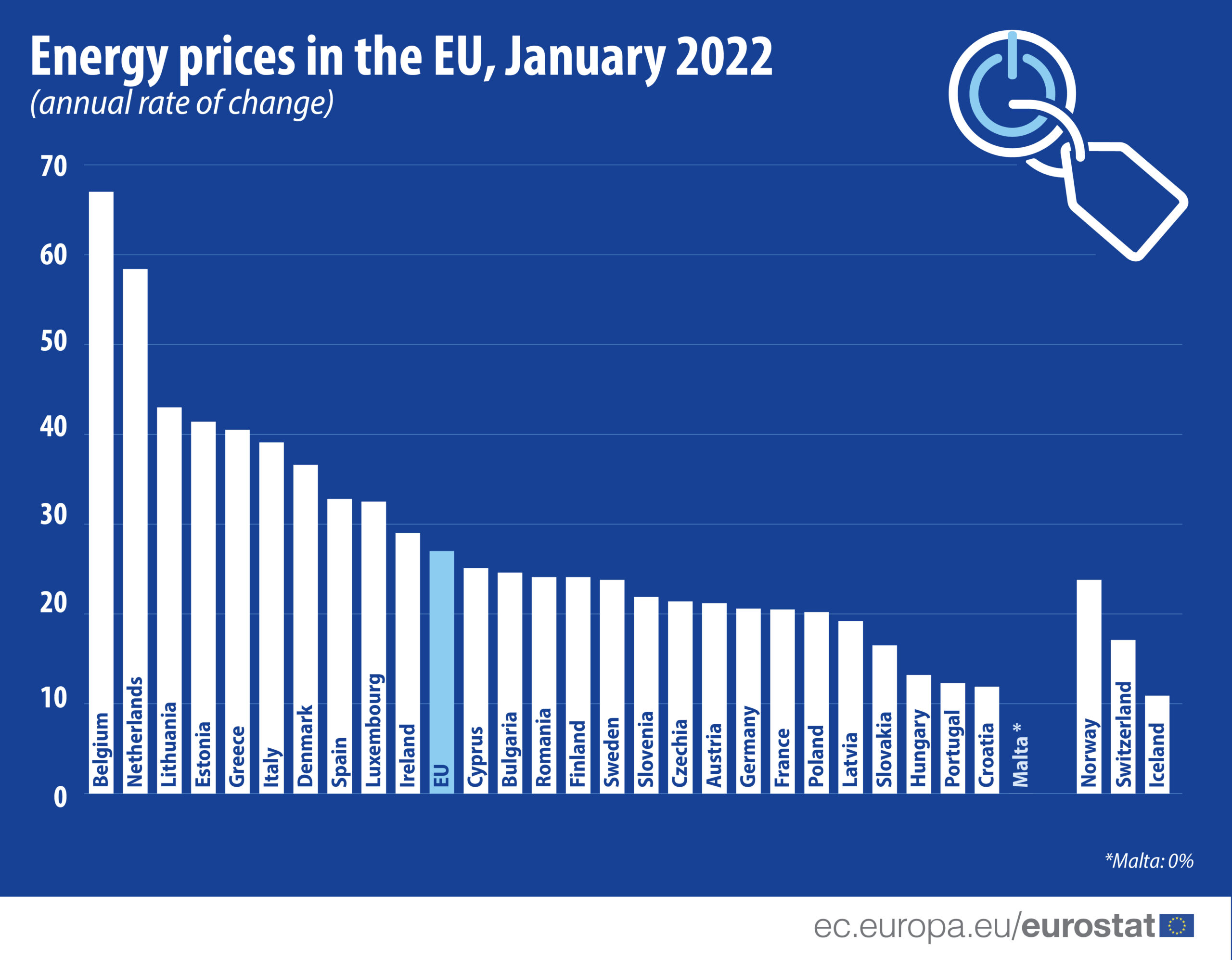
- Energy Prices: The volatility of global energy markets plays a significant role in inflation dynamics. Recent reductions in oil and gas prices have led to lower transport and utility costs, which help ease inflationary pressures.
- Supply Chain Recovery: After the disruptions caused by the COVID-19 pandemic, supply chains have shown signs of recovery. This has led to increased availability of goods, stabilising prices in many sectors.
- Consumer Demand: Increased consumer spending, driven by a rebound in economic activity, continues to push prices higher, particularly in the services sector, where demand has surged.
Impact on Consumers and Businesses
The inflation rate significantly affects the purchasing power of consumers. With rising costs for everyday goods such as food and housing, families are feeling the pinch in their budgets. Businesses, on the other hand, are facing challenges in maintaining profit margins as costs rise, while also navigating changing consumer behaviour. Many are adopting strategies such as cost-cutting and price adjustments to cope with the inflationary environment.
Conclusion and Future Outlook
The inflation rate in the UK remains a pivotal topic as households and businesses adjust to the current economic climate. Economists predict that while inflation may continue to moderate over the next year, persistent factors such as wage growth and external economic pressures could lead to volatility. The Bank of England’s policies will be crucial in steering the economy towards stability and managing inflation expectations. For consumers and businesses alike, staying informed on inflation trends will be essential for making effective financial decisions in the coming months.
You may also like