Introduction
The recent tube strikes in London have raised significant concerns among commuters, businesses, and government officials. With the underground system being a critical component of London’s public transport network, any disruption can have widespread implications. These strikes highlight the ongoing tensions between trade unions and transport authorities over pay, working conditions, and job security amid rising living costs.
Details of the Current Strikes
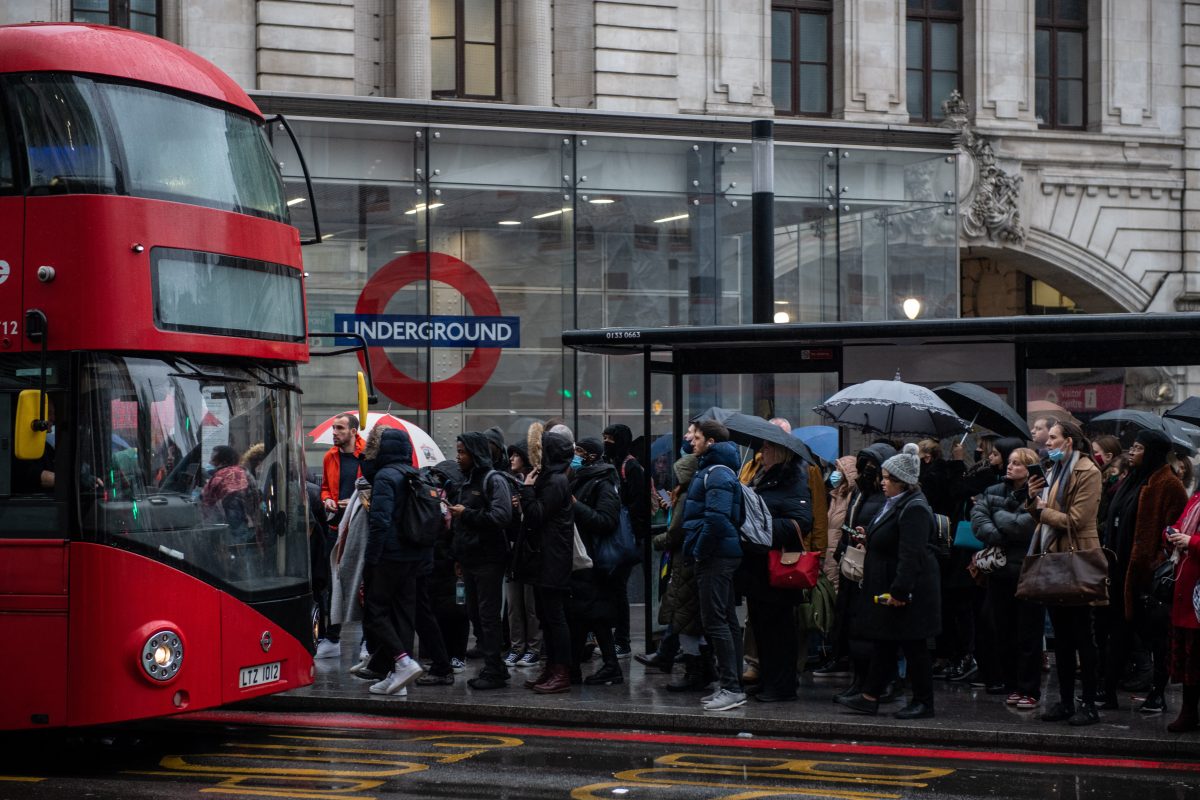
This month, the Tube network has faced multiple planned walkouts by Transport for London (TfL) workers, particularly affecting lines such as the Central, Northern, and Jubilee. The strikes are led by the RMT union, which has stated that they are fighting for better wages to keep pace with inflation and to secure fair working conditions for their members. According to recent reports, more than 40% of services were disrupted during the latest strike period, causing significant delays and overcrowding on alternative transport options.
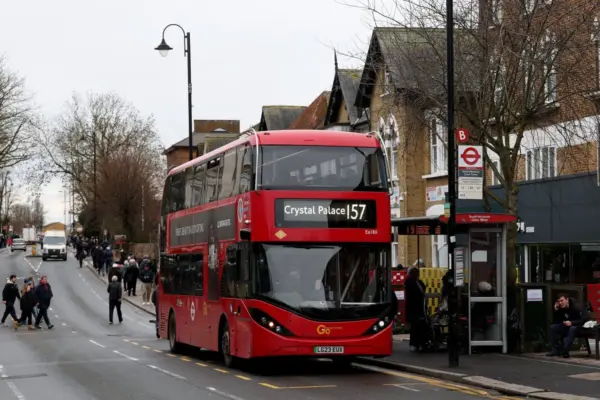
Furthermore, London bus services have also reported increased passenger numbers as commuters seek alternatives, which exacerbates congestion issues across the city. TfL has urged commuters to check travel updates and seek alternative routes, while many businesses are bracing for impacts on their operations as footfall decreases in the central areas affected by strikes.
Reactions and Implications
The government’s response to the strike has been a mix of calls for resolution and criticism. Transport Secretary Mark Harper has accused trade unions of ‘holding London to ransom’, whilst unions argue that they are merely standing up for workers’ rights. With inflation remaining high, the pressure is on TfL and London Mayor Sadiq Khan to negotiate effectively to avoid further disruptions.
Conclusion
The current tube strikes in London shine a light on the broader issues of worker rights and economic challenges facing many in the UK. Experts warn that prolonged disruptions could have lasting impacts on commuting habits, with a shift toward remote work and alternative transport solutions if strikes continue. The next round of negotiations will be crucial in addressing these grievances and preventing further strikes while ensuring that the needs of both commuters and workers are met. As the situation continues to develop, commuters and businesses alike will be hoping for a swift resolution to restore confidence in London’s transport network.
You may also like