Introduction
The recent outbreak of the Nipah virus has raised significant public health concerns, as this pathogen is known for its high mortality rate and potential to cause severe disease in humans. Emerging from the Indian subcontinent, the Nipah virus poses a serious threat not only to those directly affected but also to the broader community due to its transmissibility and lack of effective treatment. Understanding the latest developments regarding this outbreak is crucial for public awareness and health safety.
Current Situation
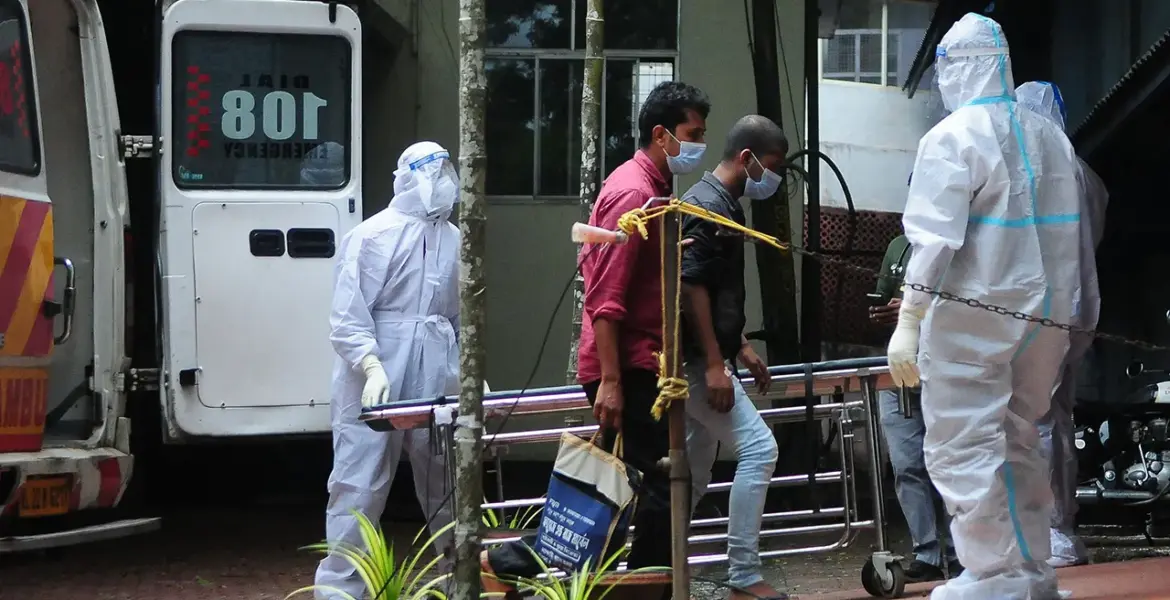
As of October 2023, health officials in India have reported a series of cases linked to the Nipah virus in Kerala and surrounding areas. The state has mobilised resources to contain the outbreak, including deploying rapid response teams to track potential contacts of confirmed cases. The Kerala Health Minister announced that of the five reported cases, two individuals have unfortunately succumbed to the disease, highlighting the virus’s lethality.
Transmission and Symptoms
The Nipah virus is primarily transmitted through direct contact with infected individuals or animals, particularly fruit bats, which are considered natural reservoirs for the virus. Symptoms typically include fever, headache, dizziness, and respiratory distress, with some cases leading to encephalitis or severe neurological issues. Due to this wide range of symptoms and the virus’s potential to be asymptomatic in some cases, early detection and prompt isolation of affected individuals are of utmost importance in controlling the outbreak.
Preventive Measures and Response
The Kerala government has implemented several preventive measures, including establishing containment zones, conducting extensive contact tracing, and raising public awareness about the virus and its transmission. The health department encourages the population to avoid contact with bats and to refrain from consuming raw palm sap, which can be a source of infection. Additionally, health professionals are urging the public to maintain hygiene practices, wear masks, and report any unexplained illness promptly.
Conclusion
The Nipah virus outbreak serves as a stark reminder of the ongoing threats posed by zoonotic diseases. With globalisation and climate change, the risk of such outbreaks is likely to increase. Continuous surveillance, research into effective vaccines and treatments, and robust public health infrastructure are imperative to avert future crises. As the situation evolves, remaining informed and prepared is essential for local communities and health authorities alike.
You may also like