Introduction to the F1 Sprint
The Formula 1 Sprint has emerged as an innovative format in the world of motor racing, introduced to enhance viewer engagement and excitement during race weekends. This short race offers fans a condensed yet thrilling glimpse of competitive racing dynamics, marking a notable shift in how F1 events are conducted. Understanding the significance of the F1 Sprint is essential for fans eager to appreciate the evolution of this iconic sport.
What is the F1 Sprint?
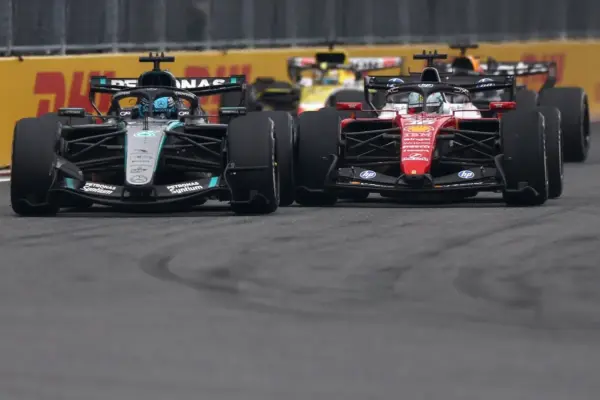
The F1 Sprint is a 100-kilometre race that takes place on Saturdays, serving as a precursor to the traditional Sunday Grand Prix. Introduced in the 2021 season, the Sprint format involves a standing start and lasts approximately 25 to 30 minutes, during which drivers must compete fiercely for position. The results of this race determine the starting grid for the main event, adding an extra layer of strategy for teams and drivers alike.
The Implementation and Impact
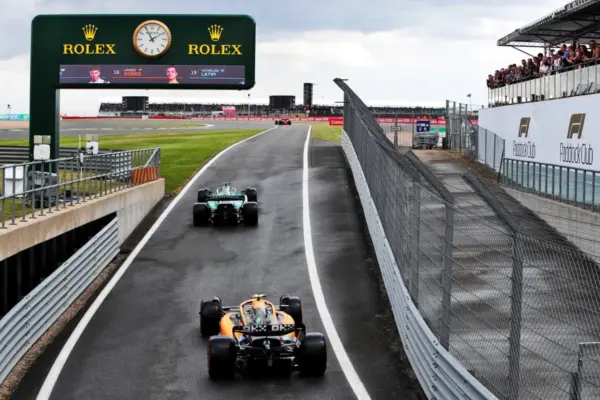
Since its introduction, the F1 Sprint has featured at select Grand Prix events, including the British and Italian races. The new format has captivated audiences, drawing attention not just to the skill of the drivers, but also to the tactical approaches employed by teams during these brief but intense races. This innovative format has received mixed reactions, with traditionalists critiquing it for disrupting the classic race weekend narrative, while younger fans appreciate the additional excitement and action.
Statistical Performance and Reception
Initial data from the Sprint races has shown significant interest, with viewership numbers rising during events featuring this format. For instance, in its inaugural year, the F1 Sprint garnered an increase in viewers by about 12% compared to traditional qualifying sessions. In addition, the allocation of championship points to the top three finishers in the Sprint (3 points for first, 2 for second, and 1 for third) contributes a strategic element, encouraging drivers to push their limits.
Conclusion: The Future of F1 Sprint
As the F1 Sprint continues to evolve, its long-term impact on Formula 1 is an exciting prospect. While some fans remain skeptical, the continued implementation of this format indicates a desire within the sport to attract broader audiences and adapt to changing viewer expectations. Looking forward, the F1 Sprint could play a significant role in shaping the competitive landscape of Formula 1 racing, offering fans more thrilling racing experiences while preserving the core traditions of the sport.
You may also like