Introduction
The Nipah virus, a zoonotic pathogen originally identified in Malaysia in 1998, has emerged as a significant threat to public health. Its relevance escalates given recent outbreaks in countries like India and Bangladesh. Understanding the transmission, symptoms, and prevention of this virus is crucial for curbing its spread and protecting communities worldwide.
Current Outbreaks and Cases
In recent months, India has reported cases of Nipah virus infection, raising alarm among health authorities. As of October 2023, the Kerala state has been particularly affected, with Health Minister Veena George confirming at least seven cases, including fatalities. The Nipah virus is known for its high mortality rate, ranging from 40% to 75%, depending on the outbreak, making it a deadly pathogen.
Transmission and Symptoms
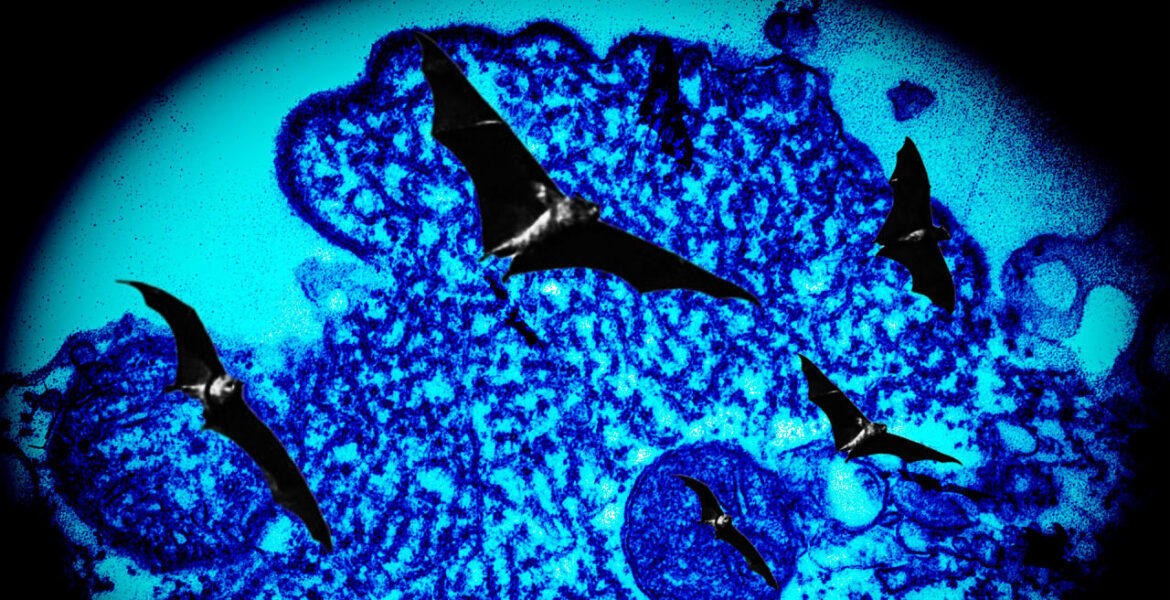
The Nipah virus is primarily transmitted from animals to humans. It is often harboured by fruit bats, which are considered the natural reservoir of the virus. Human infections may occur through direct contact with these bats or through consuming contaminated food, especially fruits. Additionally, person-to-person transmission has been documented. Symptoms usually appear within 5 to 14 days after exposure and can range from mild flu-like symptoms to severe neurological manifestations, including encephalitis.
Preventive Measures
Preventing the spread of Nipah virus hinges on public awareness and rapid response measures. Health authorities recommend avoiding consumption of raw date palm sap, maintaining good hygiene, and staying vigilant for any signs of illness in affected regions. Robust surveillance systems are vital for early detection and containment of potential outbreaks. The World Health Organisation (WHO) emphasizes the importance of strengthening public health infrastructure in at-risk areas to effectively manage this virus.
Conclusion
The Nipah virus remains a significant public health concern, particularly in regions where outbreaks have occurred. Continuous monitoring, research, and community awareness are essential in mitigating the risks associated with this virus. Health authorities worldwide must continue their efforts to educate the public and enhance response strategies to prevent further outbreaks and safeguard communities against the Nipah virus’s threat.
You may also like