The Importance of the Oxford Congestion Charge
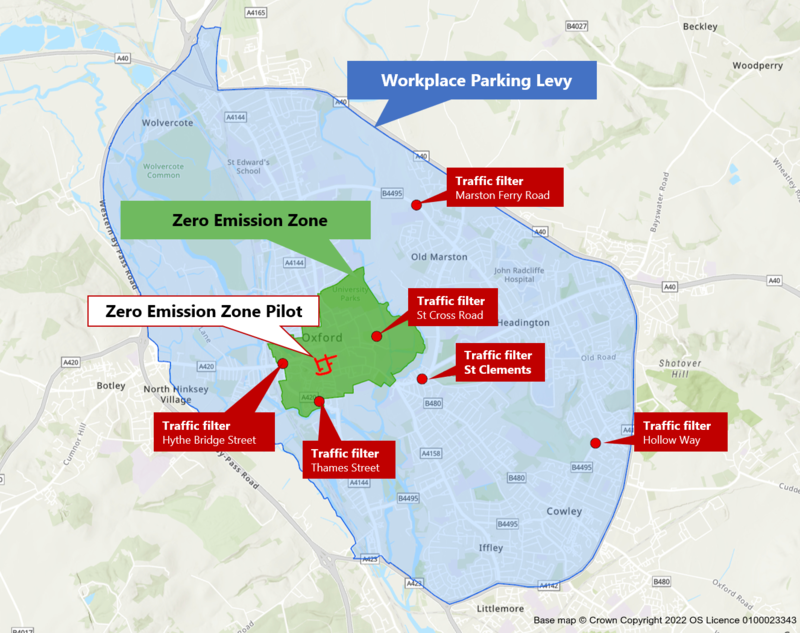
As cities worldwide grapple with rising pollution levels and traffic congestion, Oxford is taking a bold step forward by introducing a congestion charge designed to tackle these pressing issues. Starting in early 2024, the Oxford congestion charge will require vehicles entering the city centre during peak hours to pay a fee. This initiative not only aims to improve air quality but also to promote the use of sustainable transportation methods.
Details of the Congestion Charge Scheme
The proposed congestion zone will encompass the city centre, which is already facing significant congestion usually associated with over 4,500 vehicles entering daily. The charges will apply from 7:00 AM to 7:00 PM, with costs starting at £2 per entry. Exemptions will be made for electric vehicles and pedestrians, as well as for registered blue badge holders. The revenue generated from the congestion charge is expected to fund local public transport initiatives, cycle lanes, and pedestrian pathways, enhancing the city’s infrastructure for non-motorised commuters.
Public Reactions and Concerns
The City Council has conducted several public consultations regarding the congestion charge, revealing mixed reactions among residents and local businesses. Supporters argue that the scheme will lead to a cleaner, quieter city while reducing reliance on cars. However, critics are concerned about the financial burden on those commuting from surrounding areas and the potential impact on local businesses relying on through traffic. The council has indicated that it will monitor the scheme closely, ready to respond to feedback and concerns.
Future Implications
The implementation of the Oxford congestion charge could serve as a model for other cities across the UK and beyond. As urban areas face increasingly severe issues related to climate change and pollution, such measures may become standard practice. Furthermore, if successful, it may lead to more comprehensive travel reforms in Oxford, including better public transport options and increased funding for green initiatives.
Conclusion
In summary, the Oxford congestion charge represents a significant shift towards sustainable urban living, addressing the transport needs of a growing population while prioritising environmental health. As the implementation date approaches, it will be essential for the city and its residents to collaborate on adjustments and enhancements to ensure the scheme benefits everyone. By observing the outcomes in Oxford, other cities may find valuable lessons in managing congestion and promoting cleaner transportation options.
You may also like