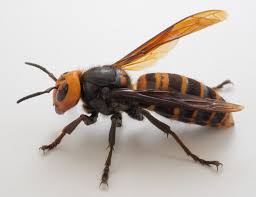
The Growing Concern of the Asian Hornet
The Asian Hornet (Vespa velutina) is an invasive species that has raised significant concerns among ecologists and beekeepers alike. Originating from East Asia, the insect has gradually spread to Europe since its first sighting in France in 2004. Its presence in the UK has prompted authorities to take action, as it poses a direct threat to native honeybees and local biodiversity.
The Impact on Local Ecosystems
Asian Hornets are known predators of honeybees, preying on adult bees and disrupting hives, particularly during late summer when they are most active. This has alarming implications for the pollination of crops and wild plants, which heavily rely on honeybee activity. Research indicates that a single Asian Hornet can kill approximately 50 honeybees a day, leading to significant hive losses.
In addition to threatening honeybee populations, the Asian Hornet poses risks to the wider ecosystem. Higher predator pressures can lead to declines in pollinator populations, which have a cascading effect on food supply chains and biodiversity.
Recent Developments and Responses
Efforts to control and monitor the Asian Hornet in the UK have intensified over the past few years. The National Bee Unit, in partnership with local beekeeping groups, has been active in tracking sightings of the species and responding to nests found in residential areas, especially in regions such as the south of England where the hornet has established itself. In 2023, authorities launched a nationwide awareness campaign, encouraging the public to report potential hornet sightings and educating them on how to identify the invasive species. This initiative aims to control the spread before it becomes unmanageable.
Conclusion and Future Implications
The Asian Hornet’s invasion highlights the growing challenges invasive species pose to local biodiversity. As the hornet continues to expand its range, it is crucial for individuals, beekeepers, and conservationists to work together in monitoring and controlling this species. The ability to swiftly respond to these invasive threats is vital for protecting local ecosystems and ensuring the health of bee populations. As such, it is recommended that ongoing research and public engagement strategies are prioritised to mitigate the impacts of the Asian Hornet in the UK and beyond.
You may also like