Introduction
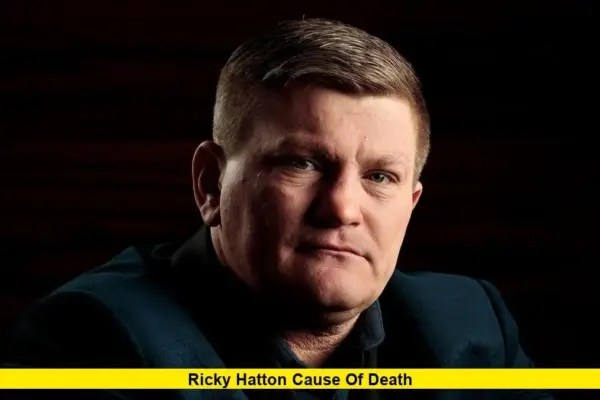
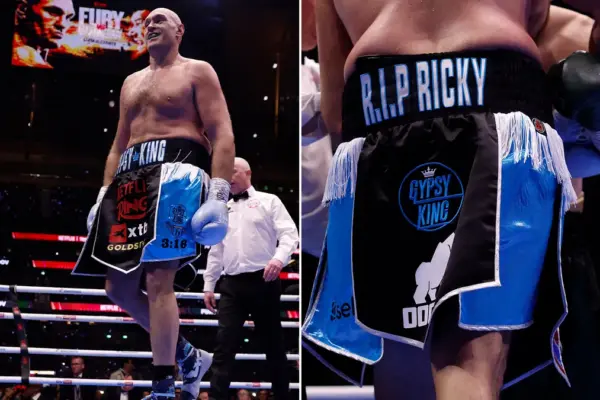
The world of boxing was struck with sadness at the news of Ricky Hatton’s untimely death. As one of the most beloved sports figures in the UK, Hatton’s life and legacy resonate profoundly within both the boxing community and beyond. His passing highlights critical issues surrounding mental health and the often-overlooked struggles faced by sports professionals even after their careers end.
Life and Career
Ricky Hatton, born on October 6, 1978, in Manchester, rose to fame as a professional boxer, earning titles such as World Champion in two weight classes: light-welterweight and welterweight. He was celebrated for his aggressive fighting style and his ability to connect with fans, sparking a resurgence of interest in boxing in the UK.
After retiring from boxing in 2009, Hatton battled various personal issues, including depression and substance abuse. His struggles intensified, attracting attention to the often-hidden mental health issues within the sporting world.
The Circumstances of His Death
News of Ricky Hatton’s death came abruptly, sending shockwaves through sports news outlets and social media. While specific details regarding the cause have been closely guarded, sources indicate that Hatton had been dealing with serious health complications exacerbated by his long-standing battles with mental health. His death serves as a tragic reminder of the pressures faced by athletes, not just in the ring but also in their personal lives post-retirement.
Impact and Discussion
The message from Hatton’s passing has sparked a renewed conversation about mental health awareness, especially in athletics. Many former athletes have shared their own experiences, advocating for more support systems within sports organisations and greater resources for mental health care. Public figures have called for initiatives to help break the stigma surrounding mental health issues, particularly in male-dominated industries like boxing.
Conclusion
Ricky Hatton’s death is not only a loss to the boxing community but a stark reminder of the vital importance of addressing mental health in sports. As discussions around mental wellness continue to evolve, the hope is that his legacy will foster better support for those who face similar battles. Moving forward, implementing programmes that focus on mental health awareness and support for athletes could potentially save lives and change the narrative in both boxing and other professional sports.
You may also like