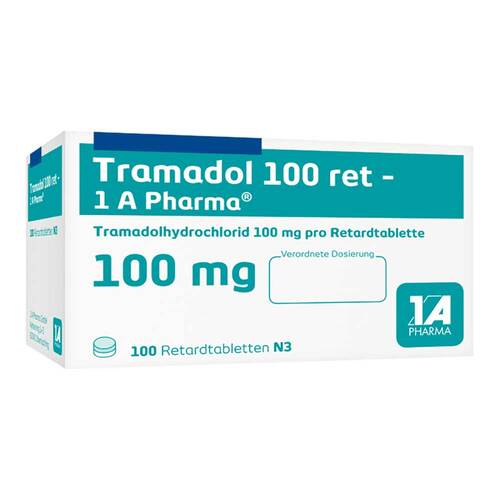
Introduction to Tramadol
Tramadol is a prescription medication widely used to manage moderate to moderately severe pain. As the opioid crisis continues to raise concerns globally, understanding tramadol’s role in pain management, its benefits, and potential risks is becoming increasingly important for healthcare providers and patients alike. In the UK, tramadol is often considered for patients who have not responded adequately to other pain relief medications.
How Tramadol Works
Tramadol operates through multiple mechanisms. It acts on the central nervous system (CNS) by binding to the mu-opioid receptor and also inhibits the reuptake of norepinephrine and serotonin, two neurotransmitters involved in pain perception. This dual action provides a unique option for patients experiencing chronic pain, as it can help address pain from different pathways.
Recent Events and Current Usage
In recent years, especially post-COVID-19, there has been an increase in prescriptions of tramadol as many patients suffer from lingering pain symptoms following their recovery. According to a study conducted by the National Health Service (NHS), tramadol prescriptions rose by 10% from 2021 to 2022, demonstrating its pivotal role in post-viral pain management. Despite its effectiveness, healthcare professionals are urged to monitor patients closely due to the risks associated with its use, including dependence and withdrawal symptoms.
Risks and Precautions
Although tramadol is generally considered safer than traditional opioids, it can still lead to misuse and addiction. Side effects may include dizziness, nausea, and constipation. More serious risks such as seizures and serotonin syndrome might occur if prescribed alongside certain medications. Therefore, physicians are encouraged to employ a comprehensive pain management plan and consider alternative treatments whenever possible.
Conclusion and Future Implications
In conclusion, tramadol serves as an effective option for pain management, particularly in cases where other medications have failed. It is essential for patients and healthcare providers to engage in informed discussions about the risks and benefits of tramadol therapy. As we advance into a new era of healthcare, continued research is necessary to better understand how tramadol can fit into broader pain management strategies while minimising potential adverse effects. Its relevance in current medical practice and its implications for opioid stewardship make it a topic worthy of attention as healthcare evolves.
You may also like