Introduction
The Winter Olympics, held every four years, is a global sporting event that showcases the best athletes in winter sports. Medals awarded during these games serve not only as recognition of individual and national achievements but also encapsulate the spirit of competition and excellence. With the next Winter Olympics slated for February 2026 in Milan and Cortina d’Ampezzo, interest in the medals and their historical significance is steadily rising.
Categories of Winter Olympic Medals
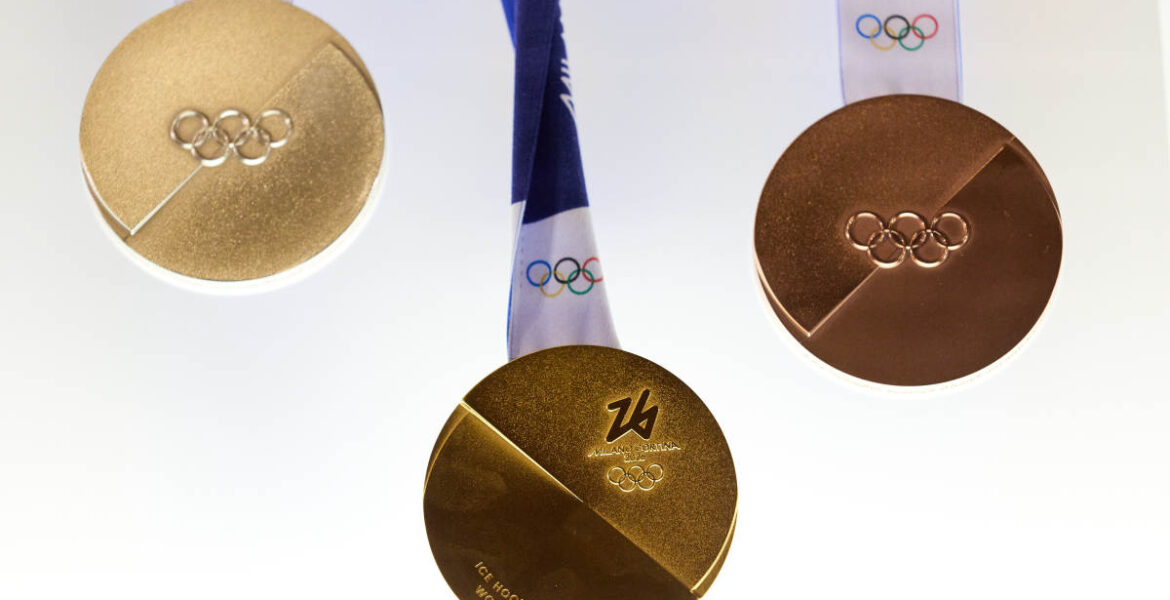
Traditionally, the Winter Olympics awards three types of medals: gold, silver, and bronze. Gold medals are given to the first-place finishers, symbolising the pinnacle of athletic achievement. Silver medals are awarded to second-place competitors, while bronze medals signify third-place finishes. While the design of the medals changes from one Olympic event to another, they consistently feature elements that represent the host nation, the Olympic rings, and the specific events.
Notable Winners and Records
Throughout the history of the Winter Olympics, some athletes have made a lasting impact on their respective sports through their achievements. For instance, Norwegian cross-country skier Marit Bjørgen holds the record for the most Olympic medals in Winter Olympic history with 15 medals, 8 of which are gold. In the realm of snowboarding, American Shaun White has left an indelible mark, winning three consecutive gold medals in the men’s halfpipe event (2006, 2010, 2018).
Moreover, as nations compete for supremacy in the medal tally, events like the Nordic combined and the biathlon have gained significant viewership, attracting attention to athletes like Johannes Høsflot Klæbo from Norway and German biathlete Laura Dahlmeier. Their performances have not only upturned records but have also added to the prestige associated with winning Winter Olympic medals.
The Importance of Medals Beyond Sports
Winter Olympic medals go beyond mere accolades. They serve as symbols of national pride and unity, encouraging participation in winter sports worldwide. For emerging nations in winter sports, success on this global stage can inspire the next generation of athletes and promote development in sports programs. Countries like Jamaica and Nigeria, known for their tropical climates, have even made headlines by forming bobsled and skeleton teams to compete in these prestigious games.
Conclusion
The quest for medals at the Winter Olympics epitomises the passion and dedication athletes invest in their sports. As the next Winter Olympic Games approach, the significance of these medals continues to resonate, inspiring both the current generation of athletes and their future successors. The global stage that the Winter Olympics provides not only promotes athleticism but also fosters international camaraderie and understanding.
You may also like