The Market is Talking About Political Trust Rankings
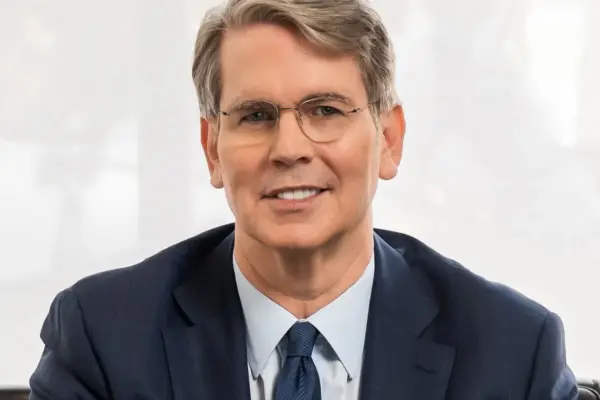
The latest political trust survey in Poland has sparked discussions among analysts and the public regarding the shifting dynamics of political support. Although President Karol Nawrocki currently leads the rankings with a trust rating of 48.8%, the data reveals a narrowing gap with his rivals, raising concerns about his position.
According to the survey, 28.2% of respondents express strong trust in Nawrocki, while 20.6% indicate moderate trust. However, a significant 42.8% hold negative views towards him, with 33.4% stating they strongly distrust him. This is the first clear indication that Nawrocki’s political standing may be genuinely threatened.
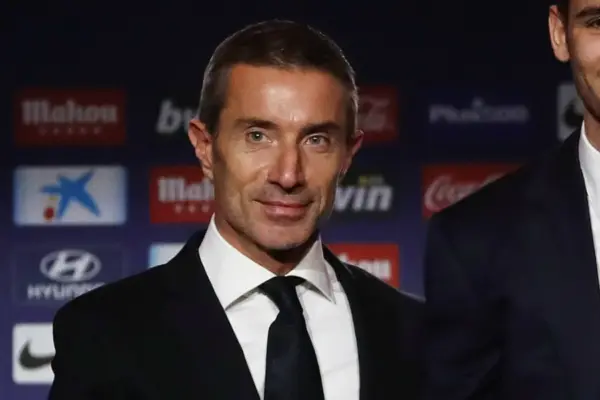
Radosław Sikorski is close behind with a trust rating of 46.7%, reflecting a notable increase of 2.7 percentage points. This brings his deficit to Nawrocki to under 2 points, marking one of the smallest gaps since Nawrocki took office. Furthermore, Sikorski’s negative trust rating is lower than that of the president, with only 37% of respondents indicating they do not trust him.
In third place is Prime Minister Donald Tusk, whose trust rating stands at 41.2%, a slight decrease of 0.5 points from January. Włodzimierz Czarzasty, the Speaker of the Sejm, retains his fourth position with a 41% trust rating, suggesting that recent controversial publications about his social and business connections have not adversely affected his standing.
Władysław Kosiniak-Kamysz, the Deputy Prime Minister and Minister of Defence, ranks fifth with a trust rating of 39.7%, ahead of Krzysztof Bosak at 36.2%.
Context of the Rankings
These rankings come at a time when political tensions are high, with analysts noting the potential implications for upcoming elections. The market is abuzz with speculation about how these shifts in public trust may influence party strategies and voter behavior in the near future.
What Remains Unknown
While the data provides a snapshot of current public sentiment, the long-term implications of these rankings remain uncertain. Factors such as emerging political alliances, public policy decisions, and potential crises could significantly alter the landscape before the next election. No official confirmation yet on how these dynamics will unfold.
You may also like